


The global ETF market experienced unprecedented growth in 2025, surpassing $14 trillion in assets under management with record inflows of over $1.2 trillion across regions. Europe saw €270 billion in net flows while active ETFs captured 78% of new U.S. launches, reflecting sophisticated investor demand for targeted strategies, according to iShares.
Looking to 2026, analysts forecast continued expansion driven by AI infrastructure spending, the acceleration of the energy transition, and a resurgence in fixed income as yields stabilize around 4%. Regional divergence creates opportunities beyond U.S. mega-caps, with emerging markets (India, UAE, KSA) and dividend strategies gaining traction amid policy uncertainty.
NAGA's multi-asset platform positions investors to capture these trends through both direct ETF ownership and CFD trading. This comprehensive guide identifies 20 categories and some of the best ETFs to consider in 2026.
20 Top ETFs for 2026
2025 delivered strong gains for AI and tech-driven ETFs amid continued innovation and President Trump's pro-business policies post-reelection. Semiconductor, cybersecurity, and copper-related ETFs surged with AI infrastructure demand and electrification trends.
Spot Bitcoin and Ethereum ETFs saw massive inflows after full regulatory embrace, boosting crypto equity funds amid favorable U.S. crypto policies. Blockchain ETFs like those tracking innovators outperformed, with silver and copper commodities shining on industrial revival.
AI-themed ETFs dominated, with heavy Nvidia and Big Tech weightings driving returns; VanEck Semiconductor (SMH) and Global X Robotics & AI led amid data center expansions. Copper miners (COPX) benefited from energy transitions, while broad tech like VGT posted solid YTD gains of around 21%.
Financials (XLF) and industrials rebounded with economic optimism, though bonds faced pressure from steady rates. Generative AI evolution kept thematic funds hot, but diversification remains key as volatility lingers in leveraged plays.
While helpful for understanding trends, the 2025 performance isn’t necessarily an indication that the list below will be the best ETFs to buy in 2026.
- SPDR S&P 500 ETF Trust (SPY) – One of the best S&P 500 ETFs
- Schwab U.S. Dividend Equity ETF (SCHD) – One of the best Dividend ETFs
- Global X Robotics & Artificial Intelligence ETF (BOTZ) – One of the best Artificial Intelligence (AI) ETFs
- SPDR Gold Shares (GLD) – One of the best Gold ETFs
- iShares Silver Trust (SLV) – One of the best Silver ETFs
- iShares Core U.S. Aggregate Bond ETF (AGG) – One of the best Bond ETFs
- iShares Bitcoin Trust (IBIT) – One of the best Bitcoin and Crypto ETFs
- Vanguard Growth ETF (VUG) – One of the best growth ETFs
- Vanguard FTSE All-World High Dividend Yield UCITS ETF (VHYL) – One of the best international ETFs
- iShares MSCI India ETF (INDA) – One of the best Indian ETFs
- Vanguard Real Estate ETF (VNQ) – One of the best REIT ETFs
- SPDR Gold Shares (GLD) – One of the best energy ETFs
- Vanguard Information Technology ETF (VGT) – One of the best tech ETFs
- Energy Select Sector SPDR Fund (XLE) – One of the best Oil and Gas ETFs
- Vanguard FTSE Emerging Markets ETF (VWO) – One of the best emerging market ETFs
- iShares Semiconductor ETF (SOXX) – One of the best semiconductor ETFs
- Global X Cloud Computing ETF (CLOU) – One of the best cloud computing ETFs
- iShares Core U.S. Aggregate Bond ETF (AGG) – One of the best fixed-income ETFs
- Hang Seng China Enterprises ETF (2828.HK) – One of the best China ETFs
- iShares Biotechnology ETF (IBB) – One of the best healthcare ETFs
- First Trust Nasdaq Cybersecurity ETF (CIBR) – One of the best cybersecurity ETFs
The ETFs highlighted on this list are sourced from industry analysts, but they may not be a perfect fit for your portfolio. Before you decide to purchase any of these ETFs listed above, do plenty of research to ensure they are aligned with your financial goals and risk tolerance.
Some of the best SP500 ETFs
S&P 500 ETFs track the benchmark index of 500 leading U.S. large-cap companies across sectors, providing broad exposure to the overall performance and growth of the American economy. Some of the best S&P 500 ETFs to watch in 2026 include:
SPDR S&P 500 ETF Trust (SPY) remains the most liquid global ETF ($550B AUM) with unmatched options volume, convenient for NAGA CFD traders leveraging volatility around Fed meetings and earnings season.
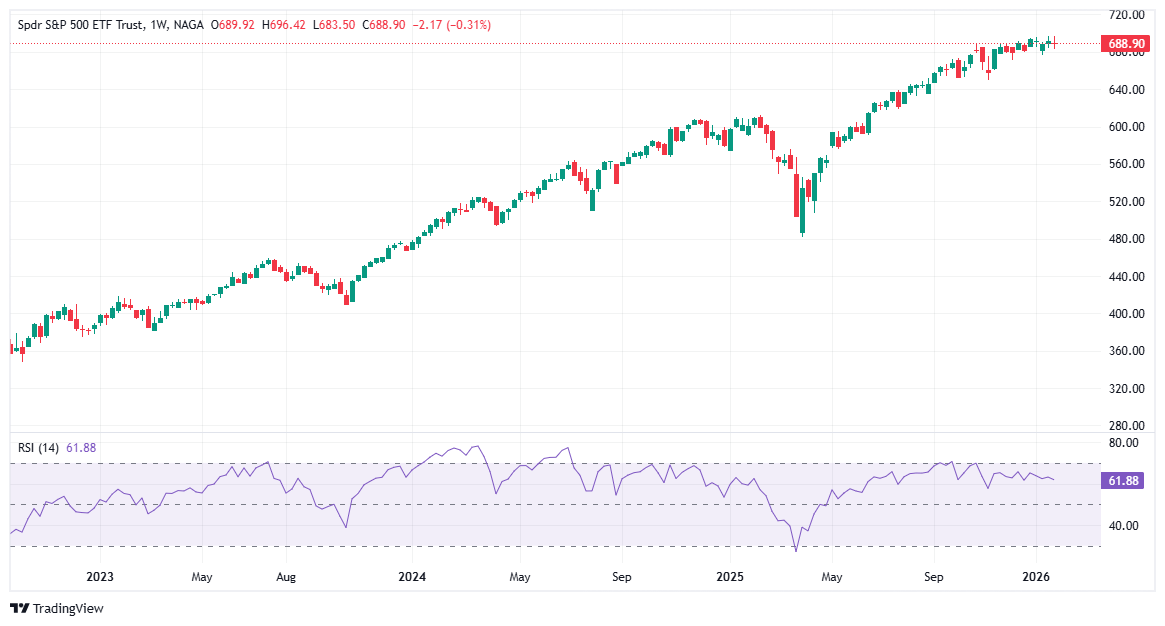
Past performance is not a reliable indicator of future results. All historical data, including but not limited to returns, volatility, and other performance metrics, should not be construed as a guarantee of future performance.
iShares Core S&P 500 UCITS ETF (CSPX) delivers superior liquidity with $80B AUM and tight 0.07% spreads, interesting for NAGA traders seeking intraday execution. The distributing version provides quarterly dividends for income-focused strategies.
Vanguard S&P 500 UCITS ETF (VUAA) offers the lowest expense ratio at 0.07% with €20B+ AUM, mainly suitable for long-term core exposure through NAGA's share dealing. Its accumulating structure maximizes compounding while maintaining perfect benchmark tracking.
Some of the best dividend ETFs
Dividend ETFs invest in established companies with reliable dividend payouts, providing investors with steady income streams and lower volatility compared to pure growth stocks. Some of the best ETFs for 2026 include:
Schwab U.S. Dividend Equity ETF (SCHD) leads with a 3.5% yield, a 0.06% expense ratio, and 11% 5-year dividend growth, targeting 100 high-quality U.S. companies with strong fundamentals, suitable for long-term income strategies.
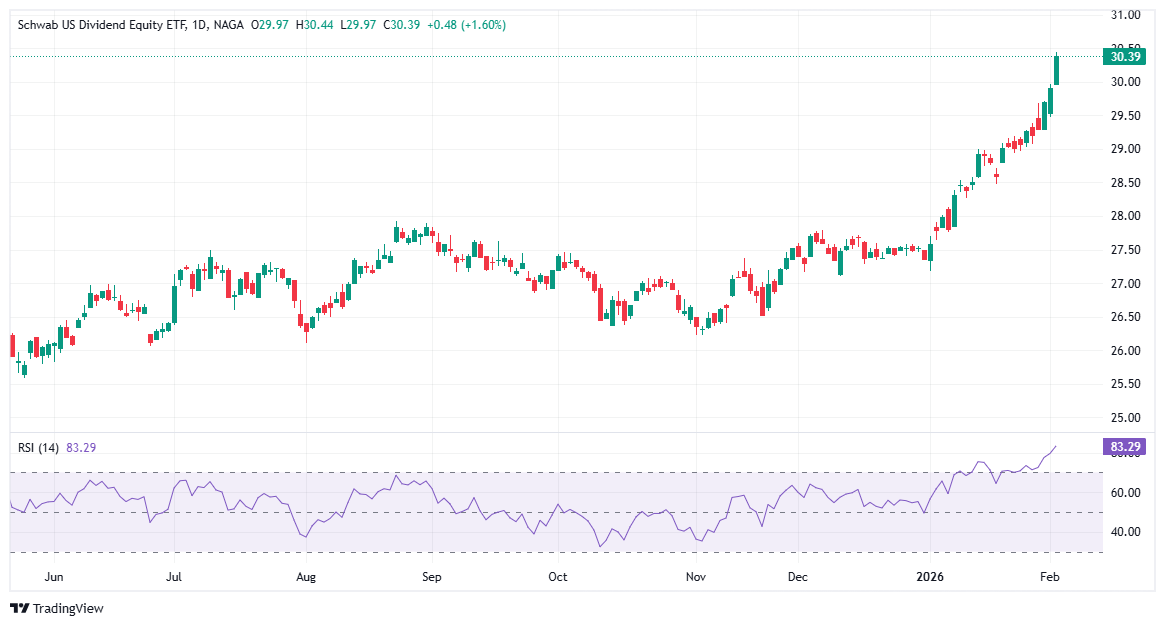
Past performance is not a reliable indicator of future results. All historical data, including but not limited to returns, volatility, and other performance metrics, should not be construed as a guarantee of future performance.
ProShares S&P 500 Dividend Aristocrats ETF (NOBL) focuses exclusively on S&P 500 companies with 25+ years of consecutive dividend increases (2.8% yield), convenient for NAGA investors seeking proven payout reliability.
Global X SuperDividend UCITS ETF D (SDIV) offers a 10%+ yield from the 100 highest-paying global stocks with monthly distributions and is potentially suitable for NAGA traders seeking elevated income during volatility.
Some of the best Artificial Intelligence (AI) ETFs
AI ETFs target companies pioneering artificial intelligence technologies, from machine learning software to data center hardware, riding the wave of automation and innovation. Some of the best AI ETFs for 2026 include:
Global X Robotics & Artificial Intelligence ETF (BOTZ) leads with comprehensive exposure to 40+ robotics/AI innovators (Nvidia 12%, ABB 9%, Intuitive Surgical 8%) across automation, healthcare, and manufacturing. $2.5B+ AUM, 0.68% TER, and 15%+ 3-year returns suitable for growth investors looking to capture the $373B robotics market by 2034.
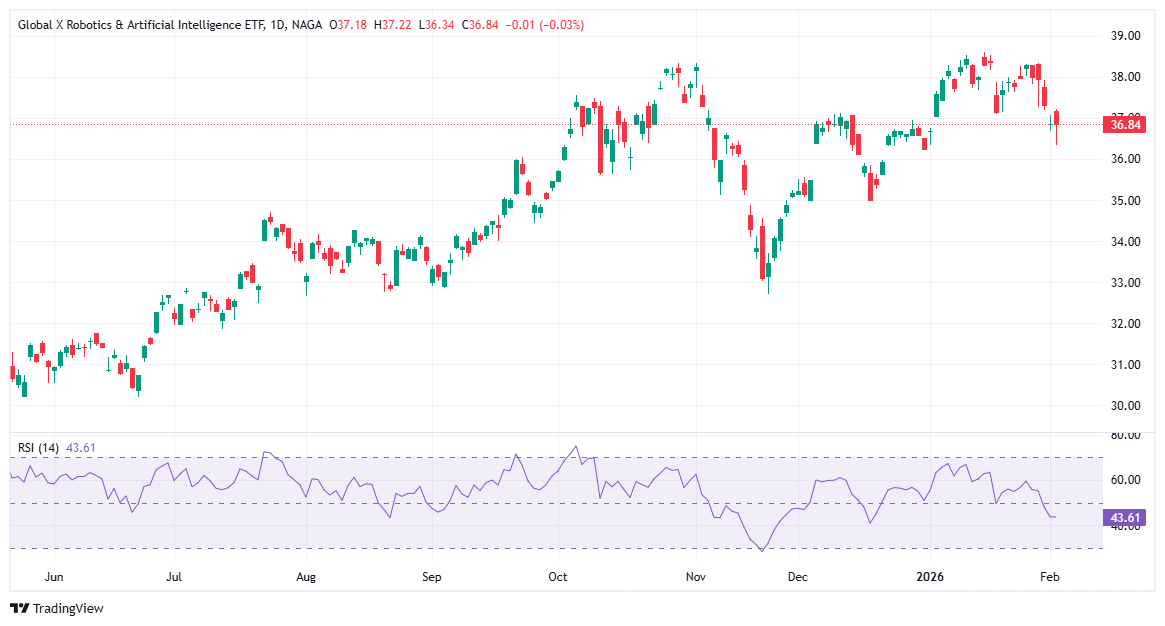
Past performance is not a reliable indicator of future results. All historical data, including but not limited to returns, volatility, and other performance metrics, should not be construed as a guarantee of future performance.
Xtrackers Artificial Intelligence & Big Data UCITS ETF (XAIX) offers European compliance (0.35% TER), focusing on AI software leaders like Palantir and Crowdstrike, potentially attractive for NAGA's UCITS-eligible clients seeking pure AI infrastructure plays.
WisdomTree Artificial Intelligence UCITS ETF (AINT) equal-weights AI hardware/software (semiconductors + cloud computing), providing balanced exposure for NAGA swing traders during the 2026 data center expansion.
Some of the best Gold ETFs
Gold ETFs hold physical gold bullion to mirror spot prices, serving as a classic inflation hedge and safe-haven asset during economic uncertainty or currency weakness. Some of the best Gold ETFs for 2026 include:
SPDR Gold Shares (GLD) tops physical gold ETFs with $75B+ AUM, 0.40% expense ratio, and spot price tracking backed by allocated bullion—a top ETF to hedge against 2026 inflation and currency volatility.
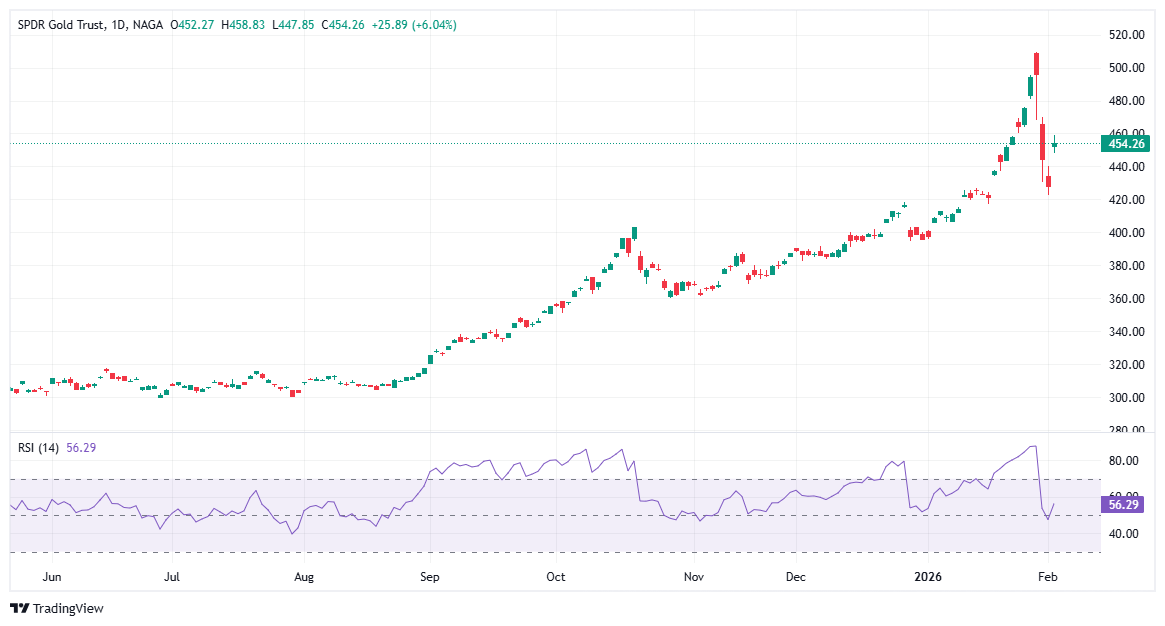
Past performance is not a reliable indicator of future results. All historical data, including but not limited to returns, volatility, and other performance metrics, should not be construed as a guarantee of future performance.
iShares Gold Trust (IAU) offers cost-efficient gold exposure (0.25% expense, $30B AUM) at a lower share price for accessibility, interesting for long-term investors building core precious metals positions amid central bank buying.
VanEck Gold Miners ETF (GDX) provides leveraged gold mining exposure (Newmont 14%, Agnico Eagle 12%) with $30B in AUM, 0.51% expense, and 14%+ YTD returns—convenient for traders seeking to amplify gold price rallies and bullish 2026 forecasts.
Gold forecast and price predictions
Some of the best Silver ETFs
Silver ETFs track physical silver and industrial demand from solar panels and electronics, offering higher volatility than gold as both a precious and industrial metal. Some of the best silver ETFs for 2026 include:
iShares Silver Trust (SLV) dominates with $15B+ AUM, a 0.50% expense ratio, and physical bullion backing (500+ million oz stored), delivering a 148% return through 2025, making it a top ETF choice for direct silver price exposure amid surging industrial demand.
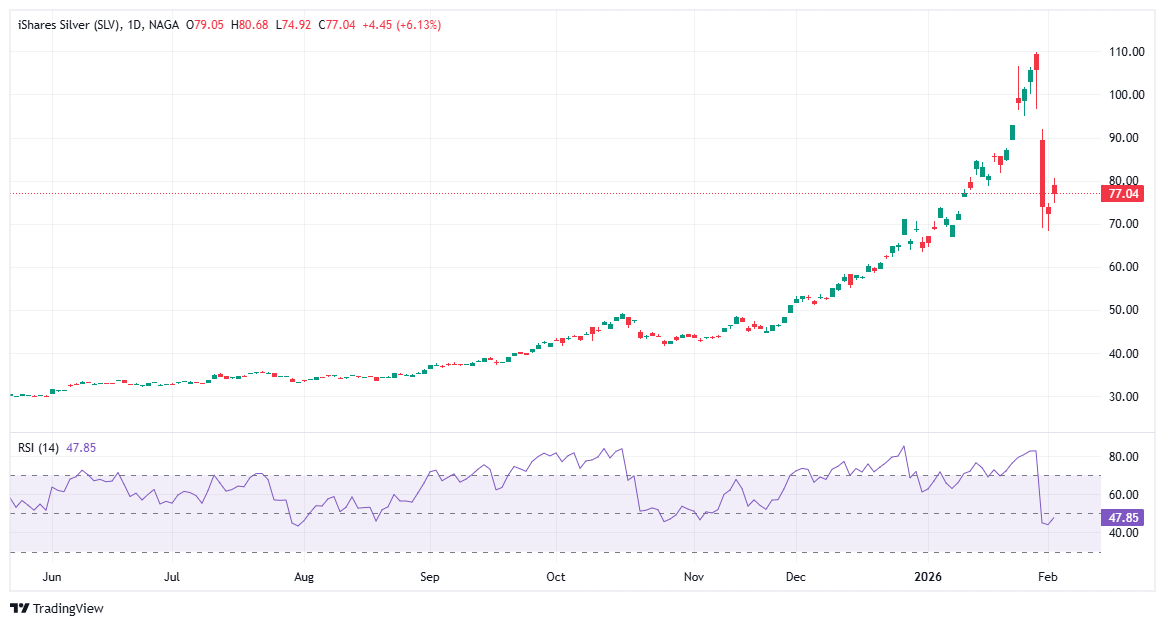
Past performance is not a reliable indicator of future results. All historical data, including but not limited to returns, volatility, and other performance metrics, should not be construed as a guarantee of future performance.
ProShares Ultra Silver (AGQ) provides 2x leveraged daily returns to the Bloomberg Silver Subindex via futures/swaps (0.95% expense), making it one of the best ETFs for risk-averse traders looking to amplify silver's bullish trend and price forecast for 2026.
ABRDN Physical Silver Shares ETF (SIVR) offers the lowest-cost physical exposure (0.30% expense ratio, $5.4B AUM) with London/Zurich vaulting diversification, potentially attractive for NAGA cost-conscious long-term silver accumulation.
Silver forecasts and price predictions
Some of the best Bond ETFs
Bond ETFs aggregate government and corporate debt securities, offering predictable interest income and capital preservation to balance riskier equity holdings. Some of the best bond ETFs for 2026 include:
iShares Core U.S. Aggregate Bond ETF (AGG) anchors with comprehensive U.S. investment-grade coverage ($110B AUM, 0.03% expense, 3.8% yield)—government (40%), corporate (28%), MBS (27%)—NAGA's core fixed income holding for yield stabilization.
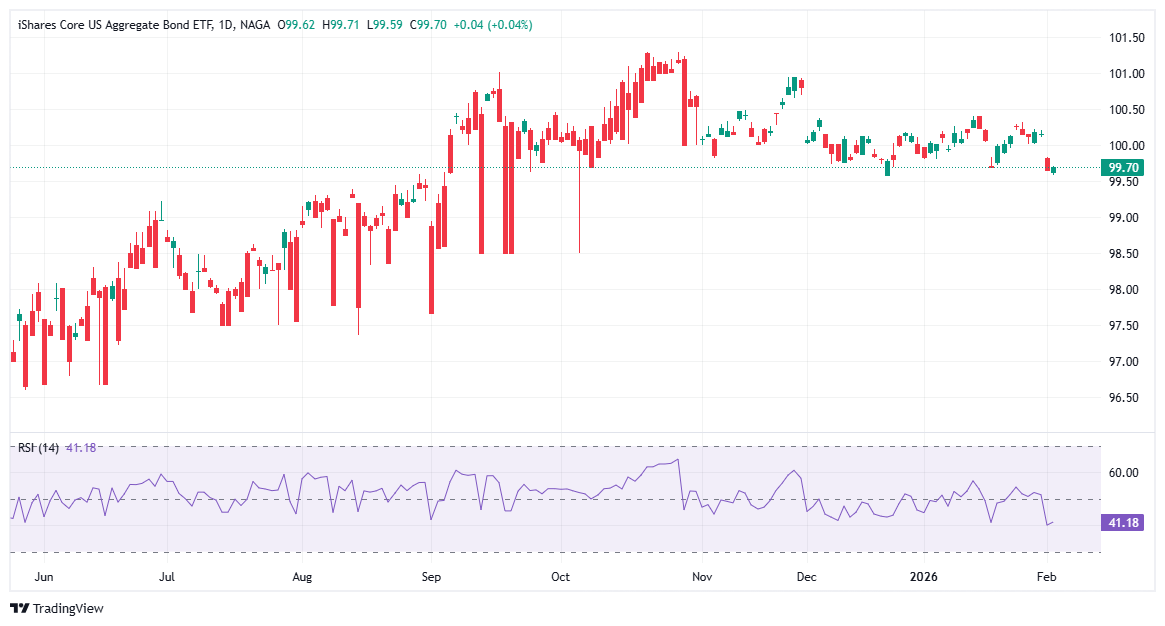
Past performance is not a reliable indicator of future results. All historical data, including but not limited to returns, volatility, and other performance metrics, should not be construed as a guarantee of future performance.
SPDR Bloomberg High Yield Bond ETF (JNK) delivers a 6.5% yield from 1,200+ junk bonds (0.40% expense), balancing BBB corporates and CCC high-yielders—interesting for income investors amid 2026 soft landing scenarios.
PIMCO 0-5 Year High Yield Corporate Bond Index ETF (HYS) offers short-duration high yield (7.2% yield, 0.55% expense) minimizing rate risk—an income investor's tactical yield booster.
How to trade and invest in bonds
Some of the best Bitcoin and Crypto ETFs
Bitcoin ETFs and crypto ETFs provide regulated, exchange-traded access to digital assets like BTC and ETH, capturing volatility driven by adoption and technological halvings. Some of the best bitcoin and crypto ETFs for 2026 include:
iShares Bitcoin Trust (IBIT) leads with $70B+ AUM, 0.25% expense ratio, and unmatched liquidity as the largest spot Bitcoin ETF—convenient for investors seeking direct BTC exposure with institutional-grade custody.
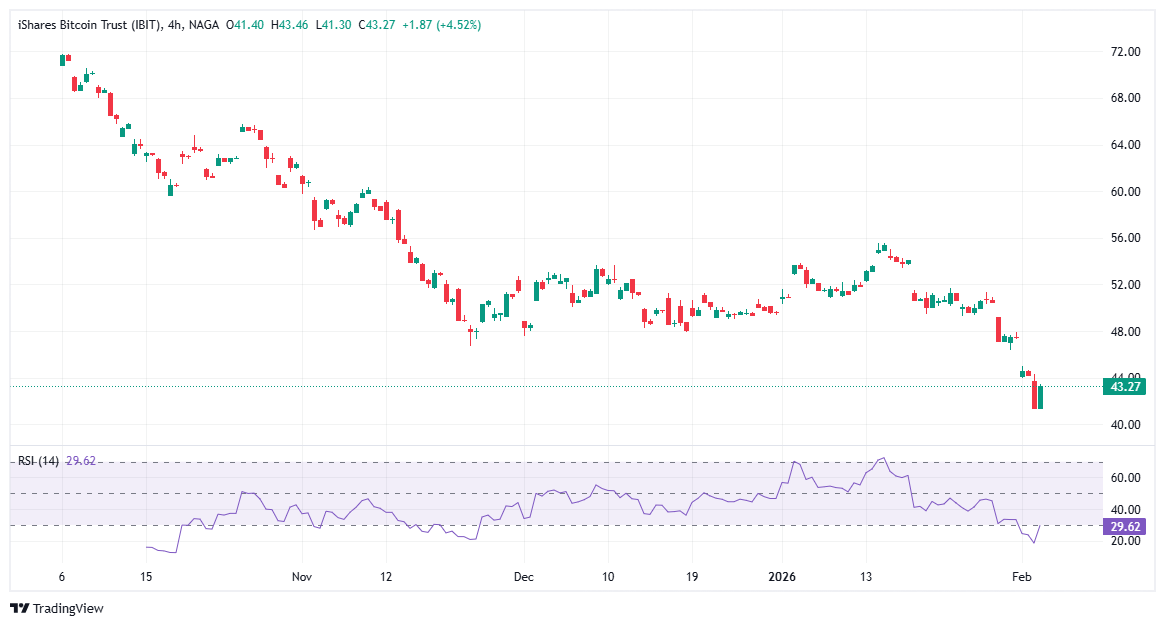
Past performance is not a reliable indicator of future results. All historical data, including but not limited to returns, volatility, and other performance metrics, should not be construed as a guarantee of future performance.
ARK 21Shares Bitcoin ETF (ARKB) provides spot Bitcoin access (0.21% expense) backed by Cathie Wood's innovation focus, well-suited for traders anticipating 2026 ETF inflows and regulatory clarity.
Global X Blockchain & Bitcoin Strategy ETF (BITS) combines direct Bitcoin futures (70%) with blockchain equity exposure (Coinbase 12%, MicroStrategy 8%), offering diversified access to the crypto ecosystem with a 0.65% expense ratio.
Best cryptocurrencies for 2026
Some of the best growth ETFs
Growth ETFs focus on high-potential companies reinvesting profits for rapid earnings expansion, often in tech and biotech, thriving in expansive bull markets.
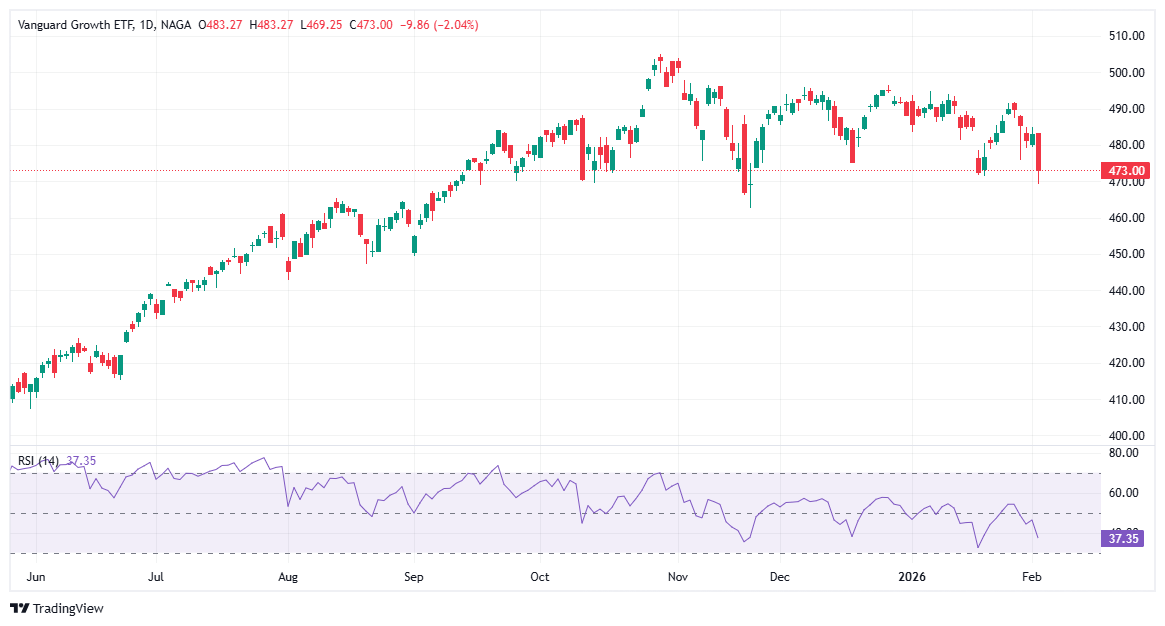
Vanguard Growth ETF (VUG) dominates with 200+ large-cap growth leaders (Apple 13%, Microsoft 12%, Nvidia 11%) delivering 16%+ YTD returns through 2025 and 11.9% CAGR since 2004—outperforming S&P 500 annually since inception. Ultra-low 0.04% expense ratio and $350B AUM make it one of the best growth ETFs for a core holding.
Past performance is not a reliable indicator of future results. All historical data, including but not limited to returns, volatility, and other performance metrics, should not be construed as a guarantee of future performance.
iShares Russell 1000 Growth ETF (IWF) tracks 400+ growth stocks (44% tech weighting) with 0.19% expense and $100B AUM, capturing mid-cap growth alongside mega-caps for stock investors seeking broader Russell exposure vs. CRSP index concentration.
iShares MSCI World Growth UCITS ETF (IWOG) provides global growth diversification (85% US, 7% Europe, 5% Japan) across 300 companies with a TER of 0.19%, suitable for European stock investments aiming to balance US mega-cap dominance.
Some of the best growth stocks
International ETF
International ETFs are a cost-effective way to gain exposure to global markets—such as developed (e.g., Japan, UK) or emerging economies (e.g., Brazil, China)—without directly buying foreign securities. Some of the best international ETFs include:
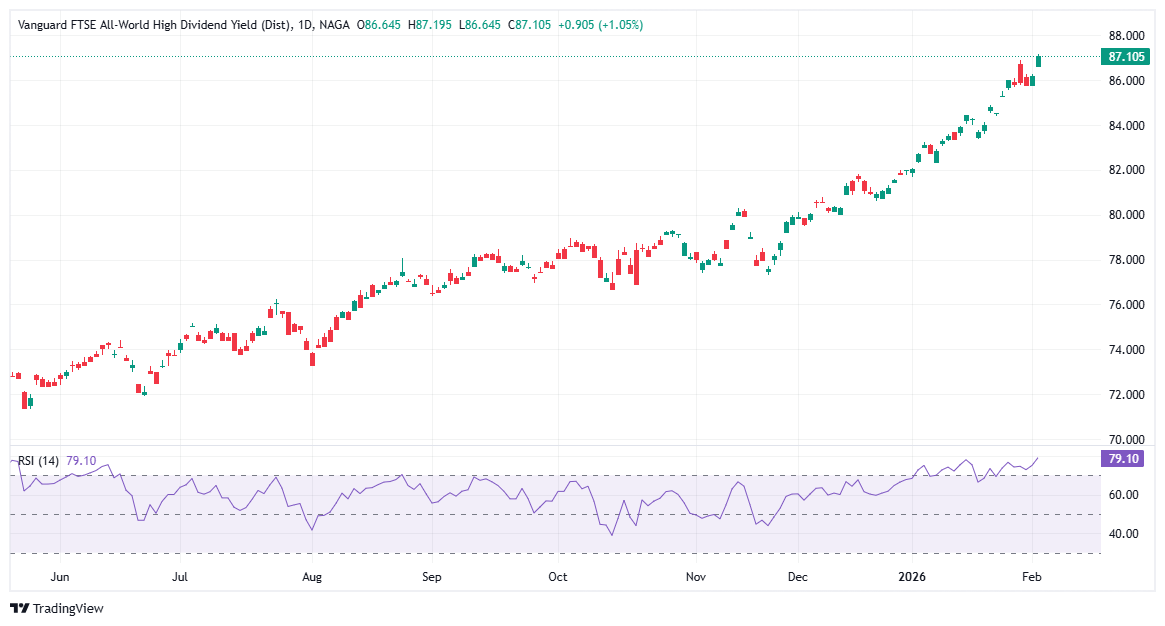
Vanguard FTSE All-World High Dividend Yield UCITS ETF (VHYL) delivers a 3.2% yield across 1,800+ global stocks (45% US, 25% Europe, 15% emerging markets) with 0.29% TER and €7B+ AUM—a top international dividend anchor that outperforms MSCI World by 2% annualized.
Past performance is not a reliable indicator of future results. All historical data, including but not limited to returns, volatility, and other performance metrics, should not be construed as a guarantee of future performance.
iShares MSCI Saudi Arabia ETF (KSA) captures Vision 2030 growth (Aramco 35%, Al Rajhi 12%), yielding 3.8% with $500M AUM, interesting for investors accessing KSA's $2.5T sovereign wealth fund diversification into tech/tourism.
How to invest in Saudi Arabia stock market
iShares MSCI UAE ETF (UAE) targets UAE's economic diversification (FAB 18%, Emaar 12%, ADCB 10%) with a 3.5% yield and $200M AUM, convenient for diversification into the 8%+ GDP growth forecasts driven by non-oil sectors and Expo 2030 momentum.
Some of the best Indian ETFs
Indian ETFs capture the world's fastest-growing major economy through NIFTY 50 stocks in IT, finance, and consumer sectors, fueled by young demographics and reforms. Here are some of the best Indian ETFs for 2026:
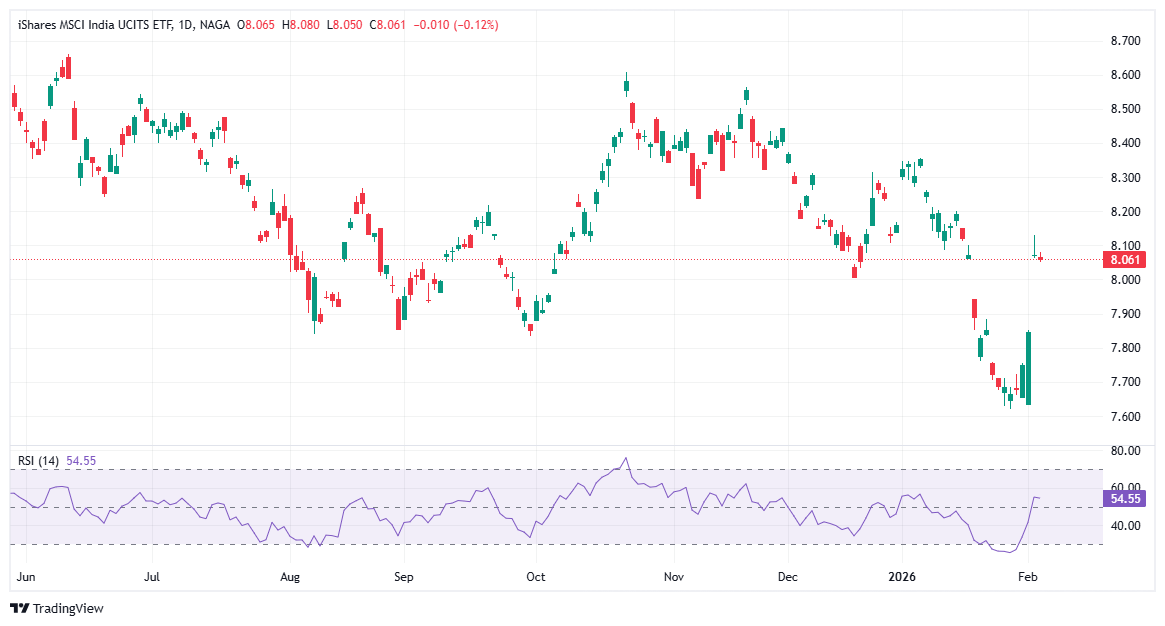
iShares MSCI India ETF (INDA) captures India's consumption/manufacturing boom, with top holdings such as Reliance Industries (12%), HDFC Bank (10%), and Infosys (8%). This top Indian ETF delivered a 12%+ annualized return through 2025, with $10B+ AUM, 0.61% expense ratio, and consistent outperformance vs EM peers, making it NAGA's core India exposure.
Past performance is not a reliable indicator of future results. All historical data, including but not limited to returns, volatility, and other performance metrics, should not be construed as a guarantee of future performance.
Direxion Daily MSCI India Bull 2X Shares (INDL) provides 2x leveraged daily returns to the MSCI India Index (0.95% expense), amplifying GDP growth forecasts of 7%+ for 2026— potentially suitable for short-term investments aiming to capture short-term reform catalysts like manufacturing PLI schemes.
Some of the best REIT ETFs
REIT ETFs invest in real estate investment trusts owning income-generating properties like malls and offices, delivering high dividends mandated by law. Some of the best REIT ETFs for 2026 are:
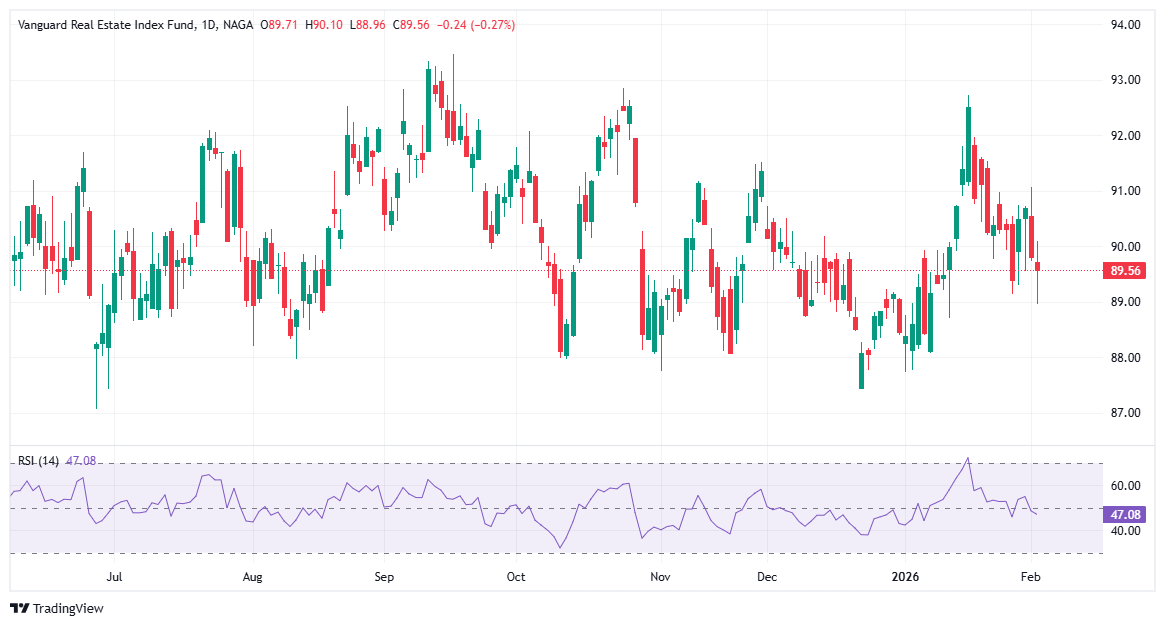
Vanguard Real Estate ETF (VNQ) is considered one of the best real estate ETFs with $65B+ AUM, 0.12% expense ratio, and 3.8% yield across 160 U.S. REITs (Prologis 9%, American Tower 8%, Equinix 7%)—consistently top-performing with superior risk-adjusted returns for core real estate exposure.
Past performance is not a reliable indicator of future results. All historical data, including but not limited to returns, volatility, and other performance metrics, should not be construed as a guarantee of future performance.
Mulkin Gulf Real Estate ETF targets high-growth GCC markets (Dubai 45%, Riyadh 30%) yielding 5.2% from logistics/data centers, a top REIT ETF for investors targeting the Vision 2030 real estate boom.
Dubai Residential REIT focuses on the UAE residential boom (yield 6.1%) with Emaar Properties (25%) and Aldar (20%)—one of the best single-country plays benefiting from 12%+ rental growth forecasts through Expo 2030.
Some of the best Energy ETFs
Energy ETFs span fossil fuels, renewables, and utilities, hedging against inflation while navigating global supply shifts and the clean energy transition. Some of the best energy ETFs for 2026 include:
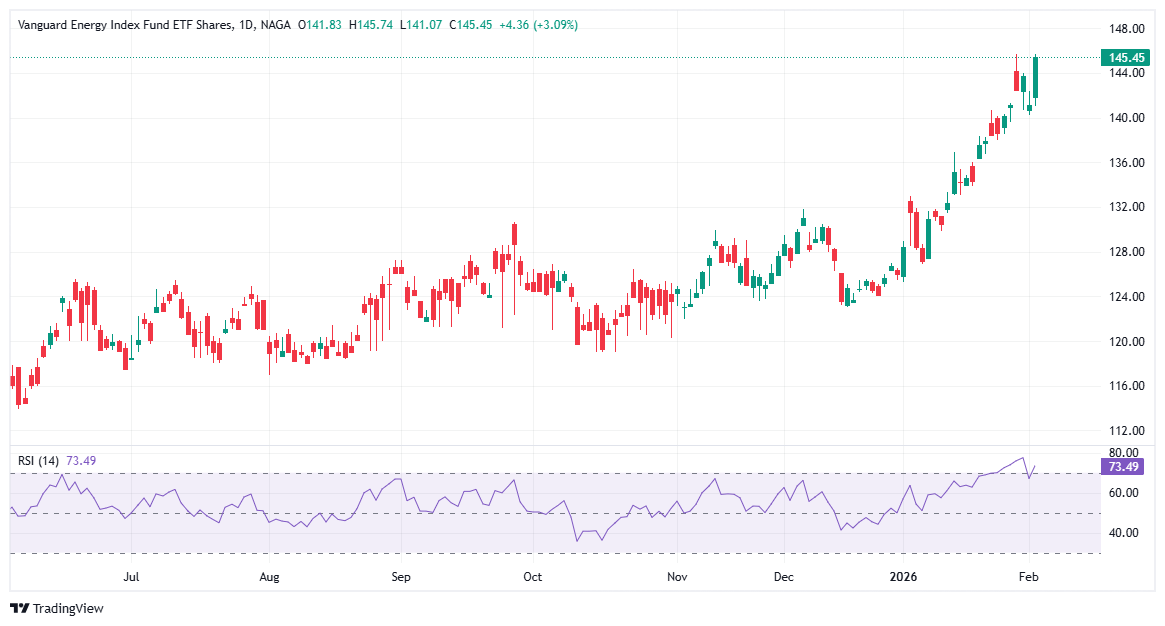
Vanguard Energy ETF (VDE) leads with broad U.S. energy exposure (ExxonMobil 22%, Chevron 15%, ConocoPhillips 8%), yielding a 3.1% with a 0.10% expense ratio. $8B+ AUM and consistent oil/gas sector coverage make it NAGA's core energy holding for 2026 commodity resilience.
Past performance is not a reliable indicator of future results. All historical data, including but not limited to returns, volatility, and other performance metrics, should not be construed as a guarantee of future performance.
iShares Global Clean Energy UCITS ETF (INRG) captures renewable transition leaders (Vestas 10%, Enphase 7%, First Solar 6%) with $3.5B AUM despite 0.65% TER—an exposure option for policy-driven clean energy spending amid energy security priorities.
Some of the best energy stocks
VanEck Oil Services ETF (OIH) targets drillers/service providers (SLB 22%, Halliburton 15%, Baker Hughes 12%) with leveraged upstream exposure (0.35% expense), which makes it a potential option for investors aiming to amplify $80+/bbl oil price forecasts.
Some of the best tech ETFs
Tech ETFs concentrate on the information technology sector's leaders in software, hardware, and cloud services, powering digital transformation megatrends. Some of the best tech ETFs for 2026 include:
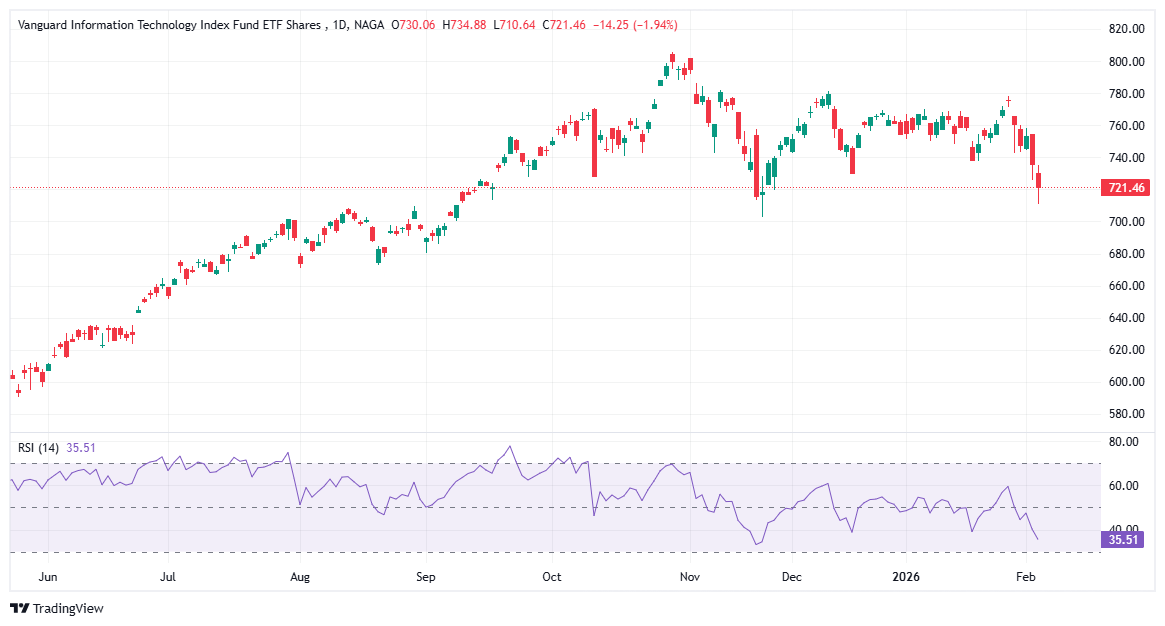
Vanguard Information Technology ETF (VGT) leads with an unmatched 14.1% CAGR since 2004 (vs. the S&P 500's 10.4%), $300B+ in AUM, and an ultra-low 0.10% expense ratio tracking MSCI US Investable Market IT 25/50 Index. Top holdings (Apple 18%, Microsoft 17%, Nvidia 16%) position it as one of the best ETFs for the 2026 AI/cloud dominance play.
Past performance is not a reliable indicator of future results. All historical data, including but not limited to returns, volatility, and other performance metrics, should not be construed as a guarantee of future performance.
Invesco QQQ Trust (QQQ) delivers Nasdaq-100 exposure (0.20% expense, $300B AUM) with 44% Magnificent 7 weighting and 18%+ annualized returns, a high-beta tech growth vehicle for momentum trading.
Nasdaq-100 forecast and price prediction
Technology Select Sector SPDR Fund (XLK) offers concentrated S&P 500 tech (0.09% expense, $75B AUM), emphasizing semiconductors and software leaders, and complementing VGT with superior liquidity.
Some of the best Oil and Gas ETFs
Oil and gas ETFs target exploration, production, and pipelines, generating yields from commodity cycles influenced by OPEC and geopolitical events. Some of the best oil and gas ETFs for 2026 include:
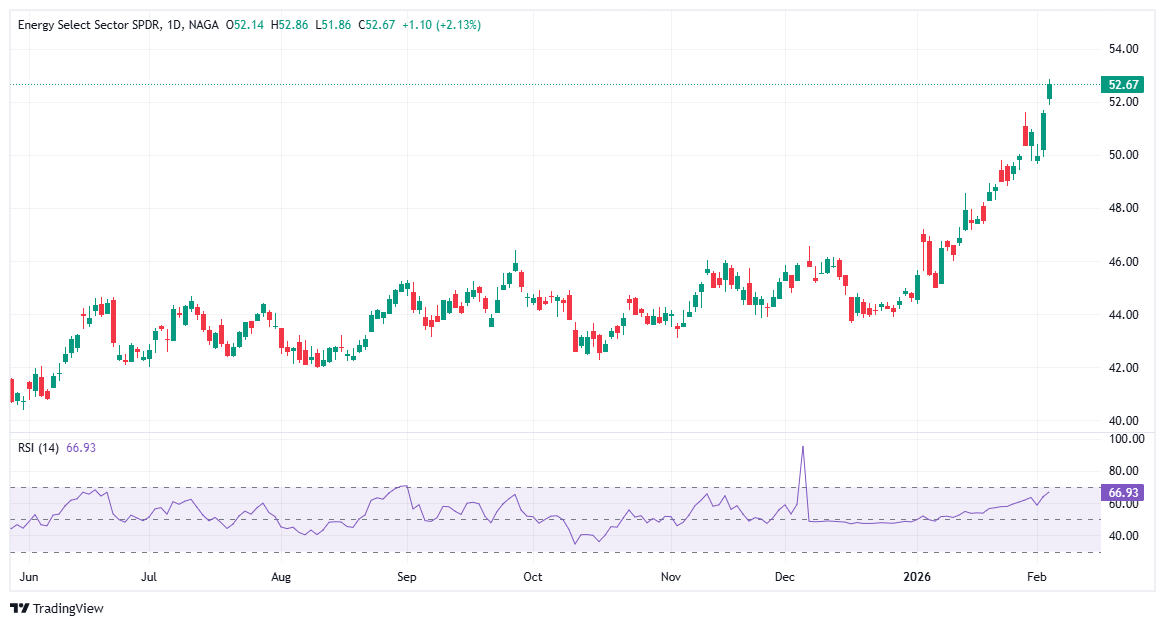
Energy Select Sector SPDR Fund (XLE) leads with $40B+ AUM, 0.09% expense ratio, and broad integrated oil/gas exposure (Exxon 25%, Chevron 18%, ConocoPhillips 10%)—an energy sector benchmark yielding 3.2% with unmatched liquidity.
Past performance is not a reliable indicator of future results. All historical data, including but not limited to returns, volatility, and other performance metrics, should not be construed as a guarantee of future performance.
iShares U.S. Oil & Gas Exploration & Production ETF (IEO) focuses on upstream drillers (EOG Resources 20%, ConocoPhillips 18%, Coterra 12%) with 0.38% expense and 10%+ YTD returns through early 2026—suitable for $80+/bbl oil demand resilience.
United States Oil Fund (USO) tracks WTI crude futures (0.60% expense, $2B AUM), providing direct oil price exposure without equity volatility, interesting for hedging commodity price swings or speculating on OPEC+ dynamics.
Oil forecast and price prediction 2026
Some of the best Emerging Market ETFs
Emerging market ETFs invest in developing economies like Brazil and India, balancing high growth prospects with risks from political and currency instability. Some of the best ETFs include:
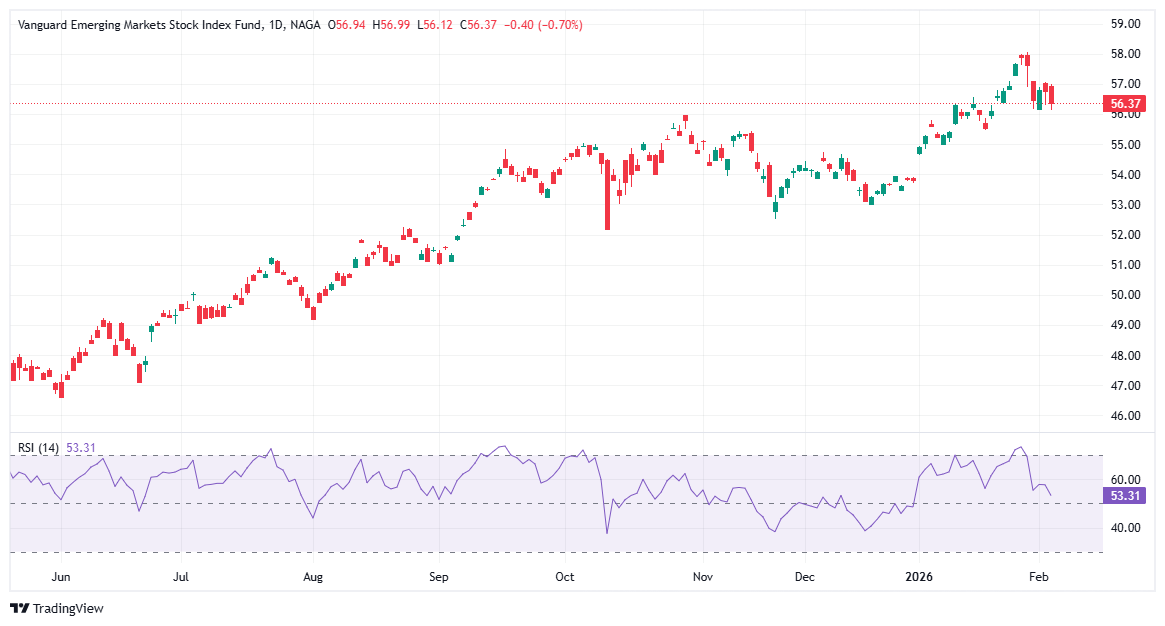
Vanguard FTSE Emerging Markets ETF (VWO) leads with $110B+ AUM, 0.08% expense ratio, and broad exposure to 5,800+ stocks across China (30%), India (20%), Taiwan (18%)—the lowest cost emerging markets ETF for core diversification outperforming MSCI EM by 1% annualized.
Past performance is not a reliable indicator of future results. All historical data, including but not limited to returns, volatility, and other performance metrics, should not be construed as a guarantee of future performance.
WisdomTree Emerging Markets High Dividend Fund (DEM) yields 4.8% weighting by dividend stream across 500+ EM companies (Taiwan 25%, China 20%)—a posible option for an income strategy capturing value rotation with 12%+ total returns through 2025.
Direxion Daily MSCI Emerging Markets Bull 3X Shares (EDC) delivers 3x leveraged daily returns (1.50% expense) for aggressive traders aiming to amplify EM rallies during China stimulus or India reform cycles.
Some of the best Semiconductor ETFs
Semiconductor ETFs focus on chip designers and fabs essential for AI, EVs, and 5G, amid booming demand but cyclical supply chain pressures. Some of the best ETFs include:
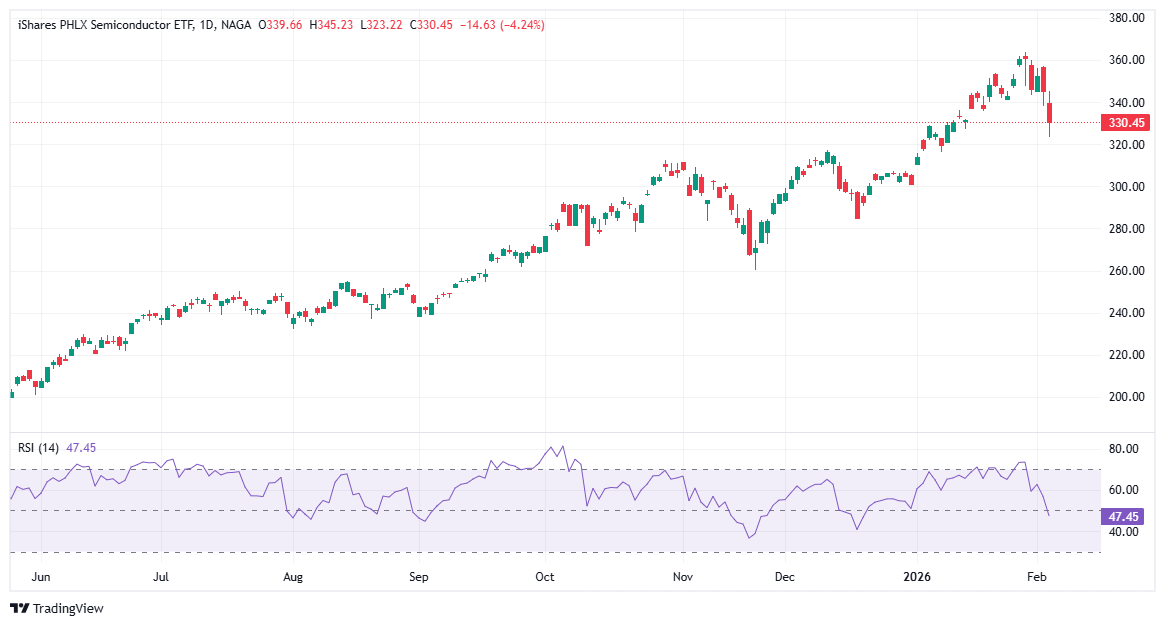
iShares Semiconductor ETF (SOXX) leads with $14B+ AUM, 0.35% expense ratio, and 30 core holdings tracking NYSE Semiconductor Index (Nvidia 8%, Broadcom 8%, AMD 7%, Micron 6%)—delivering 45%+ YTD returns through early 2026 for investors targeting chip exposure.
Past performance is not a reliable indicator of future results. All historical data, including but not limited to returns, volatility, and other performance metrics, should not be construed as a guarantee of future performance.
Direxion Daily Semiconductor Bull 3X Shares (SOXL) provides 3x leveraged daily returns to the ICE Semiconductor Index (1.15% expense) amplifying AI/data center demand—convenient for active traders aiming to capture $1T+ 2026 fab investments but requires active risk management.
VanEck Semiconductor ETF (SMH) offers market-cap weighted exposure (Nvidia 20%, TSMC 12%, Broadcom 10%) with $22B AUM and 0.35% expense—a balanced alternative emphasizing foundry leaders with superior 3-year performance vs. SOXX.
Some of the best cloud computing ETFs
Cloud computing ETFs cover cloud infrastructure, data centers, and edge devices, capitalizing on the foundational tech powering AI and digital economies. Some of the best cloud computing ETFs for 2026 include:
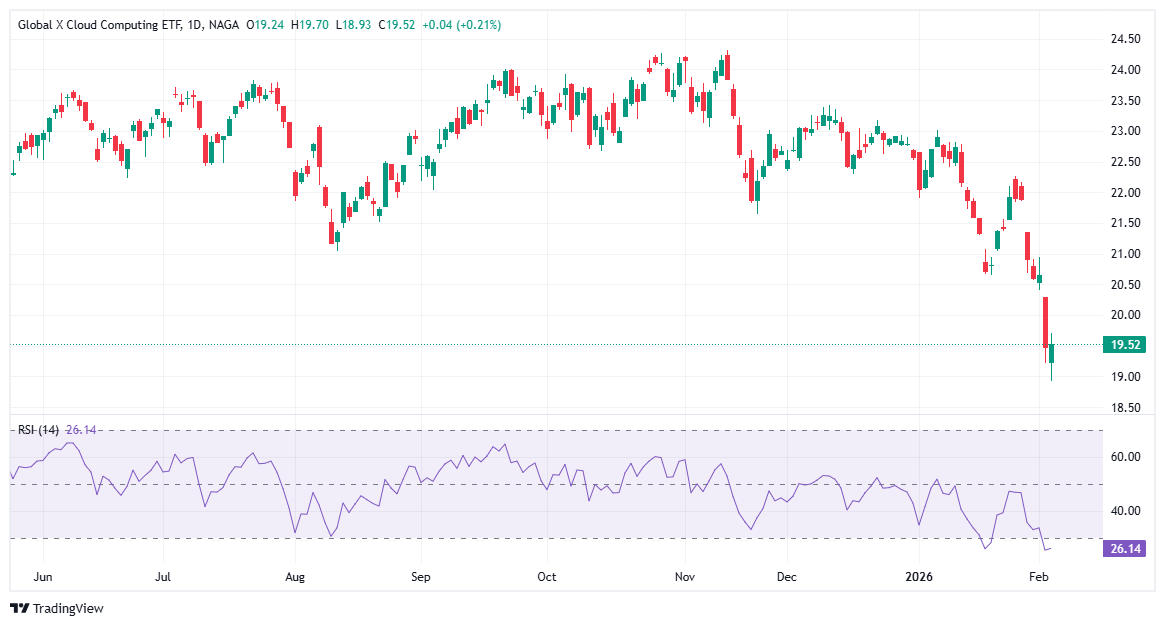
Global X Cloud Computing ETF (CLOU) leads with 70+ holdings across SaaS, PaaS, and IaaS leaders (Snowflake 5%, Twilio 4.5%, MongoDB 4%), delivering targeted exposure to the $800B+ cloud market growing 16% CAGR through 2030—one of the best ETFs for cloud growth exposure.
Past performance is not a reliable indicator of future results. All historical data, including but not limited to returns, volatility, and other performance metrics, should not be construed as a guarantee of future performance.
First Trust Cloud Computing ETF (SKYY) offers a broader 60-stock portfolio (Microsoft 4%, Amazon 4%, Oracle 3.5%) with $3.5B AUM and balanced infrastructure/software weighting—a suitable core holding with proven 12%+ annualized returns outperforming tech sector benchmarks.
WisdomTree Cloud Computing Fund (WCLD) equals 50 high-growth cloud innovators (ServiceNow 3%, Datadog 3%, Crowdstrike 2.5%) emphasizing next-gen cybersecurity/AI platforms—a satellite for Cloud 3.0 enterprise adoption.
Some of the best fixed-income ETFs
Fixed income ETFs pool bonds by duration and credit quality, stabilizing portfolios with yields inversely tied to interest rate expectations. Some of the best ETFs for 2026 include:
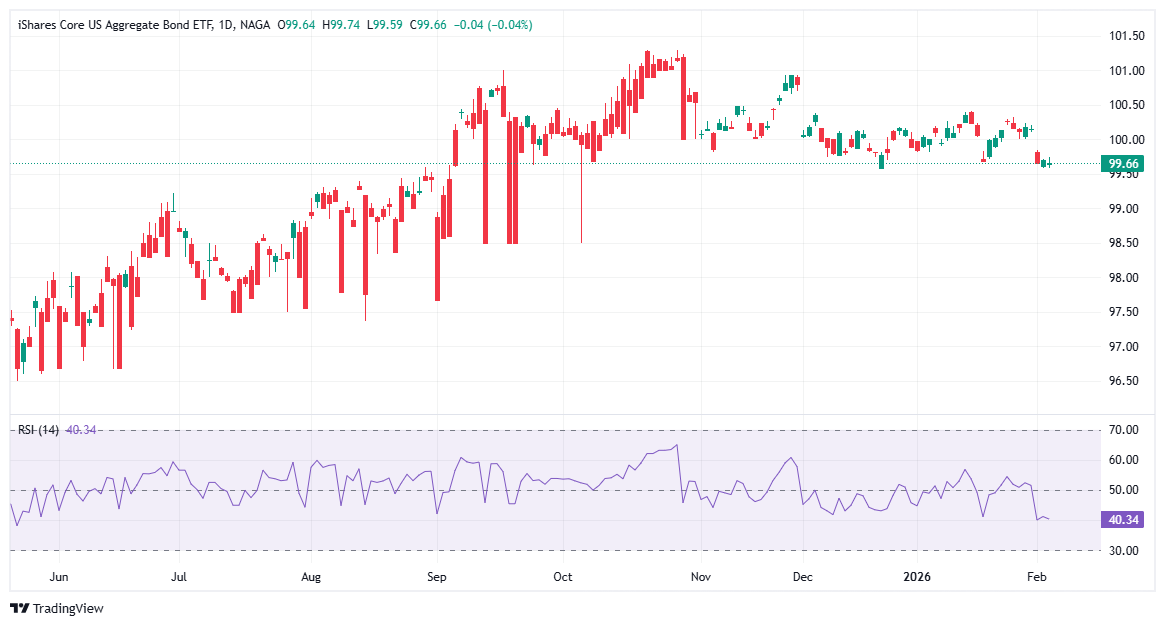
iShares Core U.S. Aggregate Bond ETF (AGG) leads with $110B+ AUM, 0.03% expense ratio, and comprehensive U.S. investment-grade coverage (40% Treasuries, 28% corporates, 27% MBS), yielding 3.8%—a core bond ETF benchmark for yield stabilization and diversification.
Past performance is not a reliable indicator of future results. All historical data, including but not limited to returns, volatility, and other performance metrics, should not be construed as a guarantee of future performance.
iShares J.P. Morgan USD Emerging Markets Bond ETF (EMB) delivers a 5.8% yield from $80B+ sovereign/corporate EM debt (0.39% expense), providing higher income with moderate risk—convenient complement for yield curve steepening scenarios.
PIMCO 0-5 Year High Yield Corporate Bond Index ETF (HYS) provides short-duration high yield (7.2% yield, 0.55% expense) minimizing rate sensitivity—a tactical yield booster for the 2026 Fed pivot.
How to trade and invest in bonds
Some of the best China ETFs
China ETFs track mainland and Hong Kong stocks in consumer tech and state enterprises, navigating policy reforms amid U.S. trade dynamics. Some of the best ETFs with exposure to China in 2026 include:
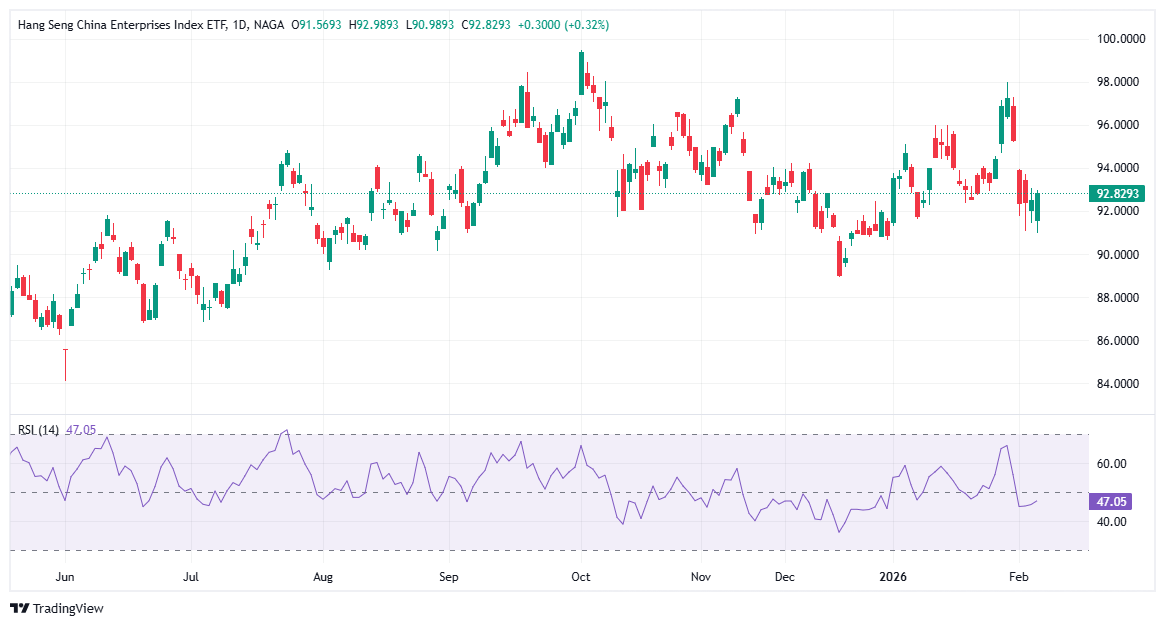
Hang Seng China Enterprises ETF (2828.HK) leads tracking H-shares of 50 largest mainland firms listed in Hong Kong (HSCEI Index) with Tencent (8%), Alibaba (7%), China Construction Bank (6%) delivering superior liquidity and 25%+ YTD gains through early 2026—a top ETF for China core exposure.
Past performance is not a reliable indicator of future results. All historical data, including but not limited to returns, volatility, and other performance metrics, should not be construed as a guarantee of future performance.
iShares MSCI China ETF (MCHI) offers broad 700-stock coverage across A/H-shares (0.59% expense ratio, $8B AUM), balancing tech (22%), financials (20%), and consumer sectors—suitable for diversified China holding with consistent outperformance vs. single-city benchmarks.
KraneShares CSI China Internet ETF (KWEB) captures tech recovery (Alibaba 10%, Tencent 9%, PDD Holdings 8%), yielding 15%+ annualized returns post-stimulus—a satellite for internet/e-commerce rebound.
Some of the best Chinese stocks
Some of the best healthcare ETFs
Healthcare ETFs span pharmaceuticals, biotech, devices, and providers, offering defensive growth from aging populations and innovation. Some of the best ETFs for 2026 include:
iShares Biotechnology ETF (IBB) leads with targeted exposure to 220+ biotech innovators (Amgen 8%, Gilead 7%, Regeneron 6%) delivering 15%+ annualized returns through innovation cycles. The $7B+ AUM and 0.44% expense ratio make it one of the best ETFs for investing in healthcare growth.
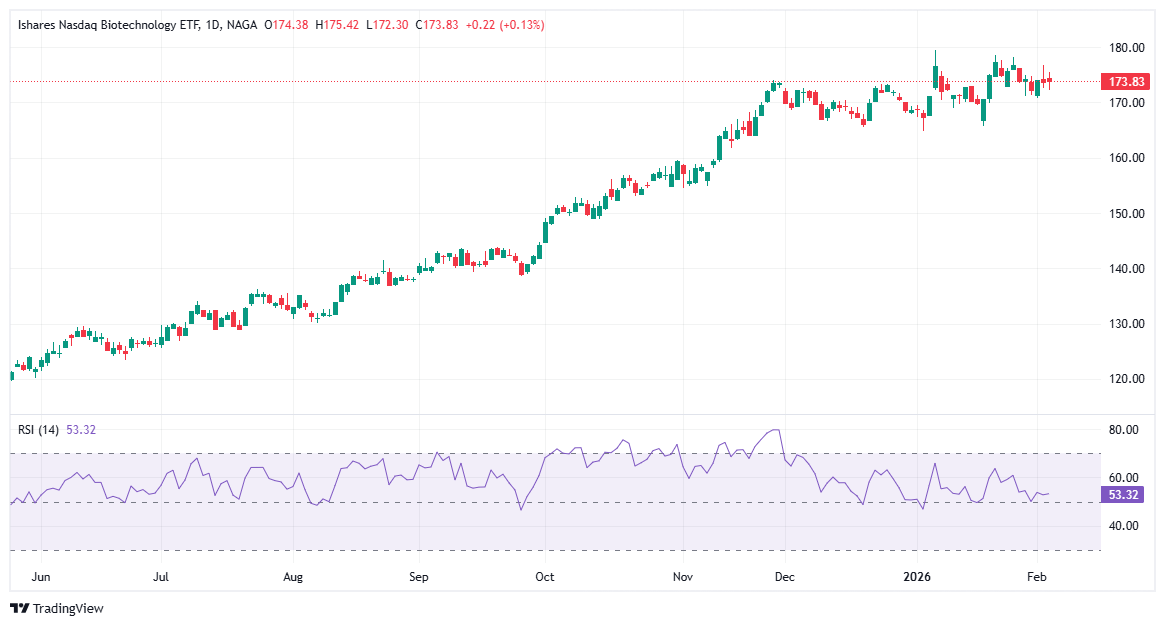
Past performance is not a reliable indicator of future results. All historical data, including but not limited to returns, volatility, and other performance metrics, should not be construed as a guarantee of future performance.
Vanguard Health Care ETF (VHT) offers broad U.S. healthcare coverage (410 stocks: UnitedHealth 10%, Eli Lilly 9%, Johnson & Johnson 7%) with ultra-low 0.09% expense ratio and 1.5% yield—a core defensive growth holding with a consistent 12%+ CAGR.
Health Care Select Sector SPDR ETF (XLV) provides concentrated S&P 500 healthcare leaders ($41B AUM, 0.08% expense) emphasizing pharmaceuticals and providers—a complement with superior liquidity for sector rotation strategies.
Some of the best cybersecurity ETF
Cybersecurity ETFs invest in firms that provide network protection, threat detection, and data security amid rising digital-attacks and regulations. Some of the best ETFs for 2026 include:
First Trust Nasdaq Cybersecurity ETF (CIBR) leads with $11B+ AUM tracking Nasdaq CTA Cybersecurity Index (35 holdings: CrowdStrike 6%, Infosys 5.5%, Broadcom 5%) delivering targeted exposure to leading cyber defense firms—one of the best core holdings amid exploding AI-driven threats.
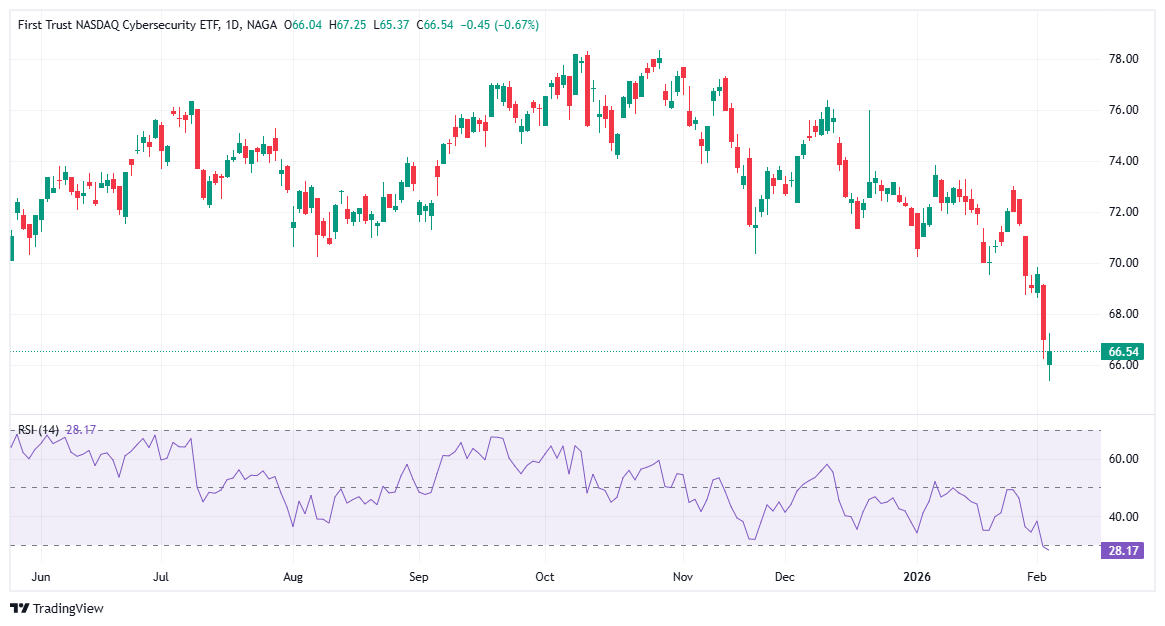
Past performance is not a reliable indicator of future results. All historical data, including but not limited to returns, volatility, and other performance metrics, should not be construed as a guarantee of future performance.
ETFMG Prime Cyber Security ETF (HACK) offers 60-stock global diversification (Palo Alto 4.5%, Fortinet 4%, Check Point 3.5%) with quarterly rebalancing—an interesting NAGA complement capturing international cyber leaders beyond U.S. mega-caps.
Global X Cybersecurity ETF (BUG) focuses on 30 high-growth pure-plays (Zscaler 5%, Cloudflare 4.5%, Okta 4%) emphasizing next-gen platforms—a satellite for Cloudflare/Okta enterprise adoption acceleration.
Are these the best ETFs to buy in 2026?
No single ETF list guarantees success, but these selections balance proven track records with 2026 macro trends. Success depends on individual risk tolerance, time horizon, and portfolio construction. The ETFs above represent institutional-grade options with $100B+ combined AUM, low costs (average 0.25% TER), and established liquidity suitable for NAGA's execution capabilities.
Key 2026 differentiators include AI infrastructure persistence, fixed income yield advantage, and emerging market rotation. Historical performance shows diversified ETF portfolios averaging 10-12% annualized returns with 60% lower volatility than single stocks. NAGA users benefit from both ownership and CFD flexibility across these proven strategies.
How to choose the best ETFs to invest in?
Selecting optimal ETFs requires balanced return potential, risk, costs, and macroeconomic alignment. Here are some metrics that can be used to find the best ETFs to invest in for 2026:
Criterion Target Range Red Flags Expense Ratio <0.30% >0.75% AUM >$500M <$100M Tracking Error <0.20% >0.50% Bid-Ask Spread <0.15% >0.30% 1-Year Turnover <30% >100% Dividend Yield 0-6% (category appropriate) >10% Sharpe Ratio >1.0 <0.5 Max Drawdown <-25% <-40% Table with ETFs Selection Checklist
The ETF selection process for investors includes:
- Define objectives (growth, income, hedge): Match your risk tolerance and time horizon—tech ETFs for aggressive growth, dividend ETFs for steady income, Gold and Silver ETFs for portfolio protection against inflation and volatility.
- Match macro trends (AI, energy transition, rates): Position for 2026 drivers—Artificial Intelligence ETFs for AI infrastructure spending, clean energy ETFs for renewables acceleration, Bond ETFs for Fed rate normalization, creating fixed income opportunities.
- Screen fundamentals (TER <0.30%, AUM >$500M, spreads <0.15%): Prioritize institutional-grade ETFs like Vanguard, iShares, and SPDR for liquidity and tight spreads.
- Validate performance (3–5-year risk-adjusted returns, Sharpe >1.0): Confirm sustained outperformance vs. benchmarks through consistent historical delivery (e.g., Bitcoin spot tracking post-halving).
Trade and invest in ETFs with NAGA
Investing and trading are both ways to get exposure to the best ETFs of {year). Even though both offer the potential to benefit from the financial markets, they differ fundamentally.
Invest
Investing means that you will own the physical shares of ETFs until you decide to sell them. When investing, you need to commit to the full value of the investment upfront. If your shares are worth more when you sell them than when you bought them, you’ll make a profit. But if the price has declined, you’ll incur a loss. While the profit potential is technically unlimited, your losses are capped at your full initial outlay.
You might want to invest in some of the best ETFs of 2026 if:
- You’re interested in buying and selling assets (stocks and ETFs)
- You’re focused on longer-term growth
- You want to build a diversified portfolio
- You want to take ownership of the underlying asset
- You want to gain voting rights and dividends (if paid)
Trade
Trading, on the other hand, enables you to predict share price movements without owning the underlying asset – and you can go long or short. This means that you can speculate on rising as well as falling prices. You also don’t need all the capital upfront, as you’ll trade using leverage. All you need to open a position is a small deposit called a margin. Keep in mind that leverage magnifies both potential profits and possible losses. This makes it vital that you manage your risk properly.
Do you want to practice trading? Open a NAGA.com demo account to trade in a risk-free environment.
You might want to trade some of the best ETFs of 2026 if:
- You are interested in speculating on the underlying price of the assets (stocks, ETFs, commodities, bonds, currencies, cryptocurrencies)
- You want to trade rising and falling markets – going long and short
- You want to leverage your exposure
- You want to take shorter-term positions
- You want to hedge your portfolio
- You want to trade without owning the underlying asset
Free resources
Before you start investing in the best ETFs for your portfolio, you should consider using the educational resources we offer, like NAGA Academy or a demo trading account. NAGA Academy has lots of free trading courses for you to choose from, and they all tackle a different financial concept or process – like the basics of analysis – to help you become a better trader or make more informed investment decisions.
Our demo account is a suitable place for you to learn more about leveraged trading, and you’ll be able to get an intimate understanding of how CFDs work – as well as what it’s like to trade with leverage – before risking real capital. For this reason, a demo account with us is a great tool for investors who are looking to make a transition to leveraged trading.