



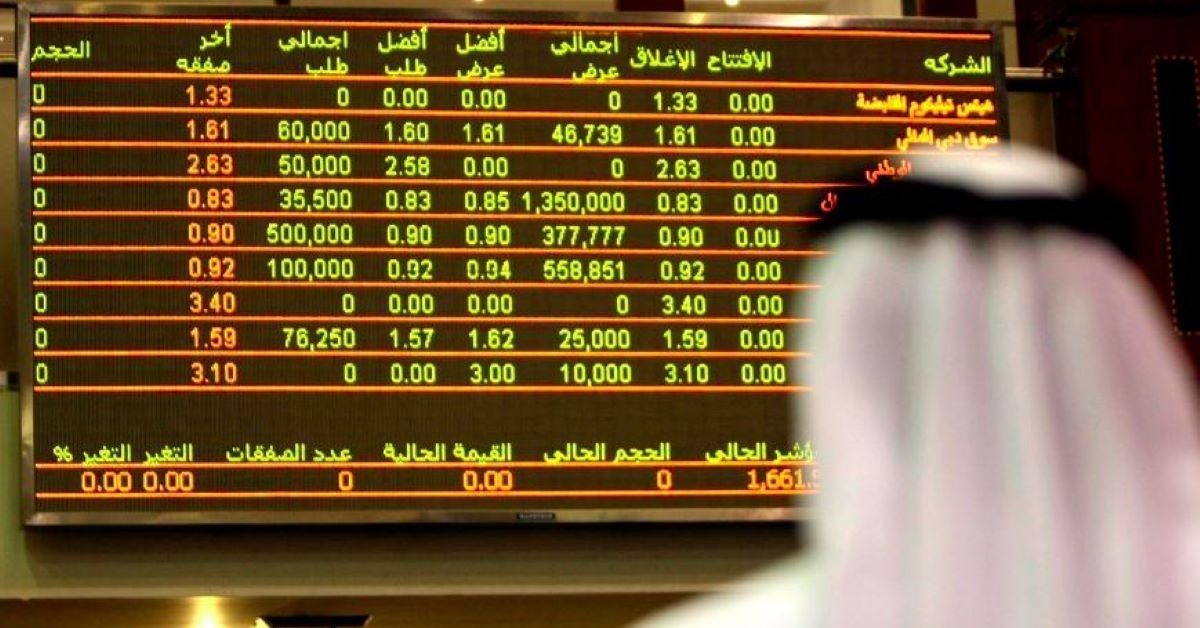
The UAE stock market offers investors access to companies operating across sectors such as banking, real estate, telecommunications, energy, and financial services. International investors and expatriates can research eligible UAE-listed securities through the relevant exchanges and authorised brokers.
But how do you invest in the UAE stock market? This guide explains the main UAE exchanges, how to choose between real shares and stock CFDs, what to consider when selecting a broker, and the practical steps involved in placing your first order. It also explains how eligible clients can explore financial markets through NAGA.
How to Invest in the UAE Stock Market – Key Takeaways
- Know the exchanges: The UAE's main securities markets include the Dubai Financial Market (DFM), Abu Dhabi Securities Exchange (ADX), and Nasdaq Dubai.
- Choose your approach: Buying real shares provides ownership, while stock CFDs provide exposure to price movements without owning the underlying shares.
- Compare brokers: Check regulation, market access, fees, account requirements, and available instruments.
- Understand orders: Learn how market, limit, and stop orders work before placing a trade.
- Manage risk: Research companies, diversify your holdings, and understand the risks of leverage.
- Check NAGA availability: The instruments and services available depend on your country of residence, account type, and applicable regulations.
Remember: Buying shares and trading CFDs are different activities. Always check the instrument specifications before placing an order.
Overview of the UAE Stock Market
The UAE has three main securities exchanges: the Dubai Financial Market (DFM), the Abu Dhabi Securities Exchange (ADX), and Nasdaq Dubai. They operate under different market structures and list different types of securities.
Dubai Financial Market (DFM)
The Dubai Financial Market (DFM) is a securities exchange based in Dubai. It lists companies from sectors including banking, real estate, utilities, and transportation, alongside other financial products.
Abu Dhabi Securities Exchange (ADX)
The Abu Dhabi Securities Exchange (ADX) provides a market for shares and other securities issued by companies and entities operating in the UAE and beyond. Its listed companies represent sectors such as banking, energy, telecommunications, and industry.
Nasdaq Dubai
Nasdaq Dubai is an international financial exchange located in the Dubai International Financial Centre (DIFC). It provides a listing and trading venue for various securities, including debt instruments such as bonds and sukuk, as well as other eligible products.
Investors should check each exchange's listed securities and access requirements rather than assuming that every UAE-listed company is available through every broker.
You can explore the broader investment landscape in our guide to how to invest in Dubai.
DFM vs ADX vs Nasdaq Dubai: What Is the Difference?
Although all three exchanges operate in the UAE, they differ in their market focus, listed securities, and market structure.
Exchange
Location
Market Focus
Examples of Securities
Dubai Financial Market (DFM)
Dubai
UAE and regional listed companies
Shares, ETFs, and other listed securities
Abu Dhabi Securities Exchange (ADX)
Abu Dhabi
UAE and regional listed companies
Shares, ETFs, and other listed securities
Nasdaq Dubai
Dubai International Financial Centre
International and regional securities
Bonds, sukuk, equities, and other listed securities
The securities available to an individual investor depend on the exchange, the instrument, the broker, and the investor's eligibility. Check the exchange's official website for current listings and trading information.
NAGA provides access to selected UAE-related stock instruments through its platform, including CFD instruments and real shares where available. Users can explore the available UAE instruments, review their prices, and check whether each product provides direct share ownership or CFD price exposure.

Why Do Investors Consider the UAE Stock Market?
UAE-listed companies provide exposure to businesses operating in an economy with established financial markets and significant activity across sectors beyond oil and gas. Investors may consider the market as part of a broader portfolio, while assessing the risks of investing in a single country or region.
- Sector exposure: Listed companies operate in banking, property, telecommunications, energy, utilities, and other industries.
- Regional diversification: UAE equities can add exposure to the Middle East to a portfolio concentrated in other markets.
- Dividend opportunities: Some listed companies distribute dividends, although payments and amounts are not guaranteed.
- Market access: Investors can research eligible securities through exchange members and authorised brokers.
- Different investment approaches: Investors can consider direct share ownership or, where offered, financial instruments that track share prices.
These characteristics do not guarantee positive returns. UAE shares remain exposed to company performance, market sentiment, economic conditions, liquidity, and changes in regional and global markets.
Top 10 Best Investments in UAE for Expats
Ways to Invest in the UAE Stock Market
There are different ways to gain exposure to UAE-listed companies. The most important distinction is whether you want to own shares or trade an instrument that follows their prices.
1. Buying Real Shares
When you buy a real share, you acquire an ownership interest in the company. Depending on the share class and applicable arrangements, you may receive shareholder rights and dividends if the company declares a distribution.
Investors who buy shares often focus on company fundamentals, financial performance, business prospects, valuation, and their intended holding period. However, holding a share for the long term does not remove market risk or guarantee a profit.
2. Trading Stock CFDs
A contract for difference (CFD) allows a trader to speculate on changes in a stock's price without owning the underlying shares. Depending on the product and account conditions, traders may be able to take positions on rising or falling prices and use leverage.
CFDs can involve spreads, overnight financing charges, margin requirements, and the risk of rapid losses. Leverage magnifies both gains and losses, so it requires careful risk management.
3. Investing Through ETFs
An exchange-traded fund (ETF) holds a portfolio of assets and trades on an exchange. A UAE-focused ETF may provide exposure to multiple companies rather than requiring investors to select individual shares themselves.
One example is the iShares MSCI UAE ETF. Before investing, review its current benchmark, holdings, fees, trading currency, and official fund documents.
Learn more about how ETFs work.
Real Stocks vs Stock CFDs: Key Differences
Understanding the difference between share ownership and CFD trading is essential before choosing a way to access the UAE stock market.
Feature Real Shares Stock CFDs Ownership Provides ownership of the underlying shares Does not provide ownership of the underlying shares Shareholder rights May apply, depending on the share and custody arrangements No underlying shareholder rights Dividends May receive declared dividends Cash adjustments may apply under the CFD terms Leverage Generally purchased using the required purchase amount May involve leverage and margin Market direction Typically benefits from an increase in share value May allow long or short positions, subject to product terms Costs May include commissions, custody, and exchange-related fees May include spreads, overnight financing, and other charges Main risks Company-specific and market risk Market risk, leverage, margin, and financing costs
Neither approach is suitable for everyone. The choice depends on your objectives, experience, risk tolerance, and the specific products available to you.
Read more about stock investing, stock trading, and how leverage works.
Expert Insight: What should investors understand before choosing between real shares and CFDs?
We asked Frank Walbaum, NAGA Lead Market Expert, to explain how investment objectives, time horizons, leverage, and risk tolerance can influence the choice between owning shares and trading stock CFDs.
"The choice between real shares and CFDs depends on what you want to achieve. Real shares are generally better suited to long-term investing, while CFDs offer flexibility to trade both rising and falling markets. But leverage changes the risk significantly. Investors should understand their time horizon, risk tolerance and strategy before choosing either."
How to Research and Choose UAE Stocks
Selecting a UAE-listed company requires more than looking at recent share-price movements. Investors should examine the company's financial position, business model, competitive environment, and the risks that could affect its future performance.
Key Factors to Research
- Business model: Understand how the company generates revenue and what drives demand for its products or services.
- Financial performance: Review revenue, earnings, cash flow, debt, and financial statements.
- Valuation: Compare relevant valuation measures with the company's history and comparable businesses.
- Dividends: Review the distribution policy and whether the company can sustain payments.
- Sector conditions: Consider competition, regulation, economic activity, and industry-specific developments.
- Liquidity: Check trading activity and the potential difference between buying and selling prices.
Investors can also compare companies across sectors instead of concentrating their entire portfolio in one industry. Diversification can reduce exposure to individual company risks, although it cannot eliminate market risk.
For company-specific research, see our separate guide to UAE stocks to compare. That article focuses on company profiles and investment considerations, while this guide explains how to access and invest in the market.
How to Open an Account to Invest in UAE Stocks
To buy and sell securities listed on a UAE exchange, investors generally need an account with a broker or financial institution that provides access to the relevant market. The process and documentation depend on the provider, the exchange, and the investor's residency status.
Typical Steps
- Choose a broker: Check that the provider is authorised to offer the services you need and supports the relevant UAE exchange.
- Review account requirements: Check minimum funding requirements, eligible countries, fees, and accepted documents.
- Complete identity verification: Brokers typically request identity and address documents and may ask for additional information about your financial circumstances.
- Complete any required investor registration: Some markets or brokers require additional investor identification or registration procedures before trading.
- Fund your account: Follow the broker's instructions for supported funding methods and currencies.
- Find the security: Search for the company or instrument using its name or trading symbol, and confirm the exchange and instrument details.
- Place and monitor your order: Choose the order type, review the estimated costs, and monitor your position after execution.
Before opening an account, confirm whether the provider offers direct access to the exchange or provides exposure through another financial instrument. These are not necessarily the same service.
How to Choose a Broker for the UAE Stock Market
A broker is the intermediary that enables investors to access financial markets and place orders. Comparing providers carefully can help you understand the services, costs, and protections associated with an account.
What to Compare Questions to Ask Regulation Which legal entity provides the service, and which regulator supervises it? Market access Does the broker provide access to DFM, ADX, or the specific securities you want? Instrument type Are you buying real shares, ETFs, or trading CFDs? Trading costs What commissions, spreads, custody fees, financing charges, or other costs apply? Account requirements What are the minimum deposit, verification, and eligibility requirements? Platform Does it provide the order types, market information, and account features you need? Customer support What support channels and languages are available to clients?
Do not choose a broker based only on advertising or a low headline fee. Review its regulatory information, legal documents, and complete pricing schedule.
You can also read our guide to choosing an online stockbroker.
Types of Stock Orders: Market, Limit, and Stop Orders
Once your account is ready, you need to understand how different order types work. An order tells the broker how you want to buy or sell a security, but execution depends on market conditions and the order's instructions.
Order Type How It Works Important Consideration Market Order Requests execution at the best available market price. The final execution price may differ from the displayed quote. Limit Order Sets the maximum price you are willing to pay when buying, or the minimum price you will accept when selling. Execution is not guaranteed if the market does not reach your limit. Stop Order Becomes an order to buy or sell when a specified trigger price is reached. Execution price can differ from the stop price in fast-moving markets.
The exact order types and execution rules depend on the broker and the market. Check the order instructions before submitting a trade.
What Are the Costs of Investing in the UAE Stock Market?
The total cost of investing can include more than the price of the shares. Before placing an order, review all charges that may apply to your account and the specific security.
- Brokerage commission: A fee charged by the broker for executing a transaction, where applicable.
- Exchange and clearing fees: Market-related charges that may apply to buying or selling securities.
- Custody fees: Charges for holding securities, depending on the broker and account structure.
- Currency conversion: Costs that may arise when funding or trading in a different currency.
- Spread: The difference between the bid and ask price. This is particularly relevant when trading CFDs.
- Overnight financing: A charge that may apply to leveraged CFD positions held overnight.
Fees and charges can vary by broker, exchange, security, and account type. Consult the provider's latest fee schedule rather than relying on a general estimate.
How to Explore UAE Stock Market Instruments Through NAGA
NAGA provides an online platform for accessing selected financial markets and instruments. Eligible clients can use the platform to explore available products, follow market prices, and manage their trading activity.
The availability of UAE shares, ETFs, and related instruments depends on the current product offering, the client's country of residence, account type, and applicable regulations. Do not assume that every security listed on DFM or ADX is available through NAGA.
Before You Start
- Check whether NAGA accepts clients from your country of residence.
- Review the current instrument list to identify the UAE-related products available to your account.
- Confirm whether the instrument is a real share, ETF, or CFD.
- Read the relevant product specifications, fees, and risk disclosures.
- Understand the account conditions and funding methods available to you.
Typical Steps to Get Started
- Create an account: Follow the registration process and provide the information requested.
- Complete verification: Submit the required identity and other verification documents.
- Explore the instruments: Search the platform for the relevant shares, ETFs, or other products.
- Review the product: Check whether you are buying a real asset or trading a CFD, and understand its costs and conditions.
- Choose your order: Review the available order options and select the one that matches your intended transaction.
- Monitor your position: Follow market developments and review your exposure and risk.
NAGA also provides educational resources through NAGA Academy to help users understand financial markets and trading concepts.
Explore Financial Markets with NAGA
Discover the financial instruments available to eligible clients, explore market information, and review the product details before making an investment or trading decision.
How to Manage Risk When Investing in UAE Stocks
Investing in shares involves the possibility of losing money. A company's share price may decline because of weaker financial results, sector developments, economic conditions, or broader market movements.
Consider these basic risk-management principles:
- Diversify: Avoid concentrating your entire investment portfolio in one company or sector.
- Research before investing: Review company information, financial statements, and relevant announcements.
- Understand liquidity: Less actively traded shares may be harder to buy or sell at the price you expect.
- Set realistic expectations: Do not assume that past performance or dividend payments will continue.
- Understand leverage: If trading CFDs, remember that leverage can magnify losses as well as gains.
- Review your portfolio: Reassess your investments when your objectives, financial circumstances, or the underlying investment case changes.
Risk-management tools such as stop orders may help structure an approach to trading, but they cannot guarantee an execution price or prevent losses in all market conditions.
Expert Insight: What mistakes should investors avoid when entering the UAE stock market?
We asked Frank Walbaum, NAGA Lead Market Expert, to share his perspective on common investing mistakes, the importance of research and diversification, and how investors can approach market volatility with a clear strategy.
"One common mistake is overlooking how much geopolitics can influence the UAE stock market. Regional tensions, changing trade flows and shifts in international capital can create both risks and opportunities. Investors should look beyond short-term headlines, diversify their exposure and understand how global developments affect the companies they invest in."
UAE Stock Market: Checklist Before Your First Trade
Before placing your first order, use this checklist to make sure you understand the investment and the transaction.
- Have I confirmed which exchange lists the security?
- Have I checked whether my broker provides access to this specific instrument?
- Do I understand whether I am buying real shares or trading a CFD?
- Have I reviewed the company's business and financial position?
- Do I understand the fees, spreads, and other applicable costs?
- Have I considered the liquidity and possible price volatility?
- Do I understand the order type I am using?
- Have I considered how much I can afford to lose?
Taking time to answer these questions can help you make a more informed decision. It does not eliminate the risk of loss.
Sources:
- Dubai Financial Market (DFM) – Official exchange information and listed securities.
- Abu Dhabi Securities Exchange (ADX) – Official market information and listed securities.
- Nasdaq Dubai – Official exchange information and listed securities.
- iShares MSCI UAE ETF – Fund information and official documentation.