

US Inflation Slows as CPI Falls 0.1% in December
The latest data from the US Bureau of Labor Statistics shows that the headline rate of inflation in the United States fell to its lowest level since late 2021 in December. The decrease in inflation has sparked hopes that the Federal Reserve will soon be able to stop raising interest rates, which in turn could provide a boost to economic growth and stock prices.
What is CPI and why is it important for markets?
The Consumer Price Index (CPI) is a measure of the average price level of a basket of goods and services consumed by households. It is one of the most closely watched indicators of inflation as it can provide insight into the cost of living for consumers and the overall health of the economy.
The CPI is important to investors as it can indicate the future direction of interest rates and the overall health of the economy. It can also be used as a benchmark to evaluate the performance of inflation-protected investments.
Highlights from today's US CPI
In December, the US Consumer Price Index (CPI) fell 0.1% from the previous month, bringing the annual change to 6.5%. The monthly drop in the index was below analysts' forecasts, but the annual rate was in line with consensus.
Despite this, when volatile elements such as food, energy and auto sales are stripped out, the 'core' CPI rose another 0.3% last month, accelerating slightly from November and leaving the annual core rate up 5.7%.
How did the markets react?
The markets have responded positively to the decrease in inflation, as it suggests that the Federal Reserve may be able to stop raising interest rates in the near future. This, in turn, can provide a boost to economic growth and stock prices.
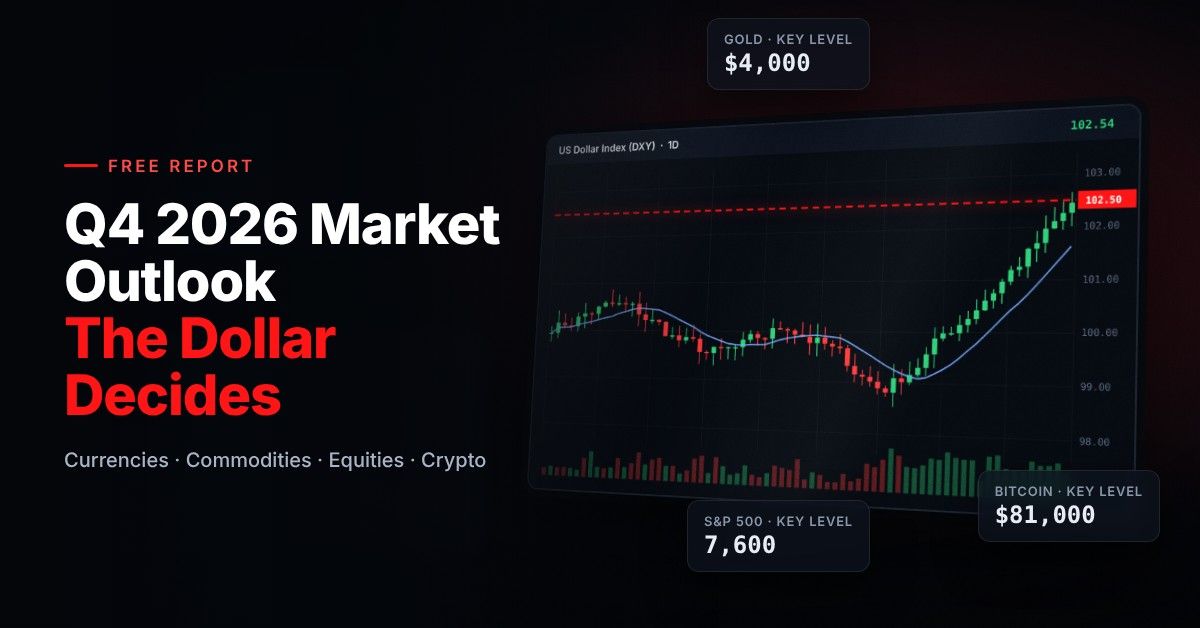
🔴 The US Dollar came under heavy selling pressure and the US Dollar Index (DXY) dropped to a fresh multi-month low below 102.50 after the US inflation report.
🟢The Dow Jones index ($DOW30) responded with an increase of more than 0.5% immediately after the release.
🟢The Nasdaq index rose more than 1% after the inflation data.
🟢The SP500 index ($SPX500) jumped up 0.7% within the first hour of the release.
Traders and investors see slowing inflation as a sign that the economy is not overheating, which can boost their confidence about putting their money into stocks and other assets. The stock market's reaction can be seen as a positive sign for the economy and investors, as it shows that they are optimistic about future economic growth.
Summary
- US annual CPI inflation drops to 6.5% in December as expected.
- The decrease in inflation has sparked hopes that the Federal Reserve will soon be able to stop raising interest rates.
- The markets have responded positively to the decrease in inflation, as it suggests that the economy is not overheating.
- The core CPI, which excludes volatile elements like food, energy and auto sales, rose by 0.3% in December, accelerating slightly from November and leaving the annual core rate at 5.7%.