


Trading signals can help traders discover potential opportunities across forex, crypto, stocks, gold, CFDs, and futures. For beginners, the markets can feel easier to understand. For active traders, highlighting setups that might otherwise go unnoticed can save time. But not all trading signals are equal.
Some signals are simple buy-or-sell alerts. Others include entry levels, stop-loss levels, take-profit targets, risk notes, and market analysis. Some come from professional analysts, others from AI tools, and others from community signal providers or copy trading platforms.
Trading Signals — Key Takeaways
- Trading signals can help traders identify potential opportunities in forex, crypto, stocks, gold, futures or CFDs, but they should not replace personal analysis or risk management.
- The best trading signals usually include the asset, direction, entry level, stop loss, take profit, timeframe, and a short explanation of the market setup.
- The best trading signal providers are transparent about performance, include risk-management levels, and avoid unrealistic claims such as guaranteed profits or 100% accuracy.
- Trading signals work better when combined with education, market context, risk management, and a clear trading plan.
What Are Trading Signals?
Trading signals are alerts or recommendations that suggest a potential trading opportunity in a financial market. A signal may tell you what asset to watch, whether the setup is bullish or bearish, where a possible entry price may be, and where risk-management levels could be placed.
A complete trading signal usually includes:
Signal Element What It Means Asset The instrument, such as EUR/USD, Bitcoin, Gold, Apple stock or Nasdaq futures Direction Buy, sell (long or short) Entry level The price at which the trade idea may become active Stop loss The level used to limit potential losses Take profit The target level where profits may be taken Timeframe Intraday, swing trading, or long-term trading Rationale Technical, fundamental, sentiment-based, AI-generated or analyst-led explanation
A basic signal may only say “Buy EUR/USD,” but that is rarely enough. A useful trade signal should explain the setup's rationale and include risk-management parameters. Without a stop loss, a timeframe or a reason, traders may not know whether the signal fits their strategy.
Trading signals are used across many markets. Forex traders may use them to identify currency pair opportunities. Crypto traders may use Bitcoin trading signals or altcoin signals. Stock traders may follow momentum, breakout, or earnings-related stock signals. Gold traders may focus on XAU/USD signals, while futures and CFD traders may use signals for stock indices, commodities, or currencies.
The most important thing to remember is that a trading signal is not a prediction. It is a trading idea, but the market can still move in the opposite direction.
Top Trading Signals by Provider
Before choosing signals by market, it is useful to understand what their source is. Some providers focus on market insights and social trading. Others offer automated copy trading. Some are focused on independent technical analysis.
Here are three useful provider types to consider.
1. NAGA Insights
Suitable for: traders who want market insights, social trading features, multi-asset access and trading tools in one ecosystem.
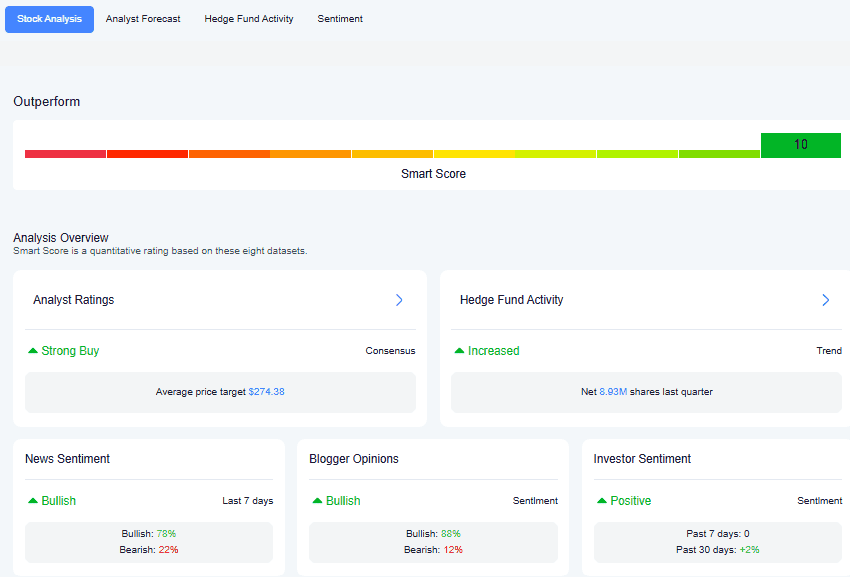
NAGA is a strong option for traders who want more than a simple buy-or-sell alert. The platform combines trading tools, market insights, social trading and access to a wide range of financial instruments. NAGA ecosystem includes professional tools, market insights and social trading features, with access to over 4,000 financial instruments, including forex pairs, crypto, shares, stock indices, ETFs, commodities, futures, and real stocks.
NAGA can be especially relevant for traders looking for:
- Forex trading signals
- Crypto trading signals
- Stock and ETF insights
- Gold and commodity signals
- CFD trading signals
- Social trading and copy trading features
- Market news and educational content
One of the biggest benefits of NAGA is that traders can combine signals with a broader context. Instead of seeing an isolated alert, users can explore market trends, follow discussions, view insights, and learn from more experienced traders. NAGA’s social trading page also empowers users to engage with and copy leading traders.
For beginners, this is important. Signals can be helpful, but traders should understand why a trade idea exists. A platform that combines insights, tools and education can make it easier to learn while staying aware of risk.
Naga Insights provides you with cutting-edge analysis tools, market consensus, and sentiment insights — empowering you to make smarter, more confident trading decisions.
2. MT5 / MQL5 Signals Community
Suitable for: traders who already use MetaTrader 5 and want to copy signal providers inside the MT5 ecosystem.
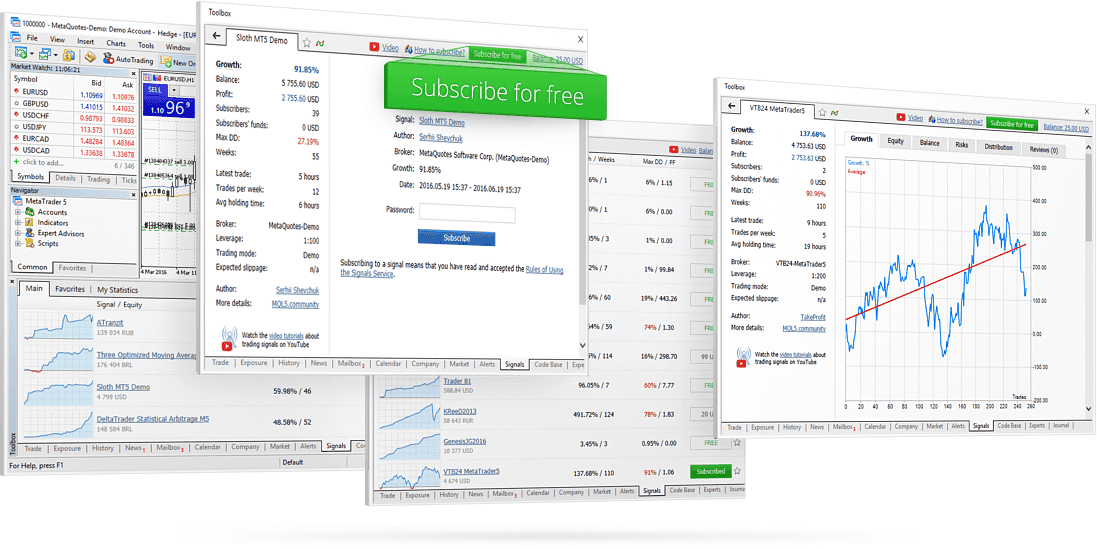
MT5 Signals, available through the MQL5 community, is a copy trading service that allows users to copy the trades from signal providers directly to their trading account. MetaTrader’s official help section says signal accounts include detailed statistics and full trading history, and that users can also become signal providers themselves.
This can be useful for traders who want:
- Automated trading signals
- Forex signal providers
- Community-based signal rankings
- Historical provider statistics
- MT5 platform integration
- Copy trading functionality
The advantage of MT5/MQL5 is that it is built into a widely used trading ecosystem. Traders who already understand MetaTrader may appreciate the direct connection between signal subscription and trade execution.
However, beginners should be careful. Automated copying does not remove risk. A provider may have performed well historically but still experience drawdowns in the future. Traders should check statistics, risk levels, trading frequency, drawdown, strategy type and whether the signal provider’s approach matches their own risk tolerance.
Trading with NAGA on MT5 offers you access to a wide array of instruments, including Real Stocks. Trade Forex, Real Stocks and CFDs on Futures using the best tools for comprehensive price analysis, algorithmic trading and trading signals.
3. Trading Central
Suitable for: traders who want independent technical analysis, chart-based signals and structured market research.
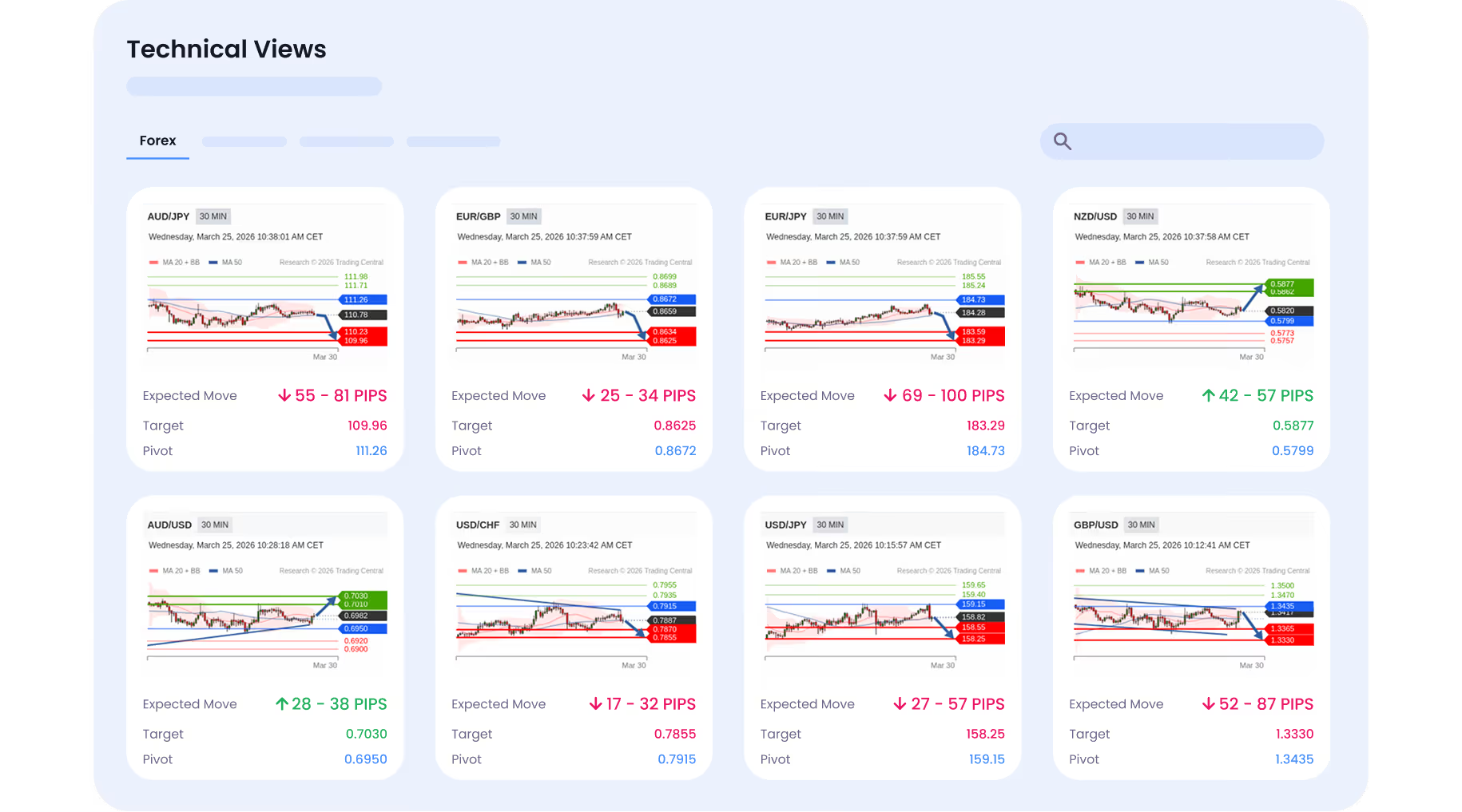
Trading Central is not a broker. It is an independent market analytics and technical research provider often integrated into trading platforms. Its technical signals product is designed to help traders find potential opportunities, validate ideas and time trades using technical analysis. The company describes its tools as including actionable technical analysis, dynamic charting, key levels, customizable alerts, stop-loss levels and alternative scenarios backed by analysts.
Trading Central can be useful for traders looking for:
- Technical analysis signals
- AI-assisted trading insights
- Chart pattern signals
- Key support and resistance levels
- Analyst-backed market commentary
- Multi-asset research
This type of provider may suit traders who do not want to follow anonymous signal groups but still want structured trade ideas. It can also be useful for traders who prefer to confirm their own analysis with a second opinion.
Take your trading to the next level with additional Trading Central pro-level tools integrated into NAGA.
Provider Suitable for Main Strength Signal Type Beginner Friendly?
NAGA Insights
Multi-asset tradersMarket insights, social trading, tools and community features Multi-asset trading signals (forex, crypto, stocks, gold, CFDs, etc.)
YesMT5 / MQL5 Signals
MetaTrader usersAutomated copying from community signal providers
Mainly forex and CFDs
MediumTrading Central Technical-analysis-focused traders Independent technical research and key levels Multi-asset technical signals Yes Table comparing some of the best trading signals providers
However, don't forget that the best trading signal provider mainly depends on how you trade. Beginners may prefer a platform that combines insights, tools, and education. More advanced MetaTrader users may prefer MT5/MQL5. Traders who want technical research may benefit from Trading Central’s advanced tools. With NAGA, you can use all of them simultaneously.
How to Choose the Best Trading Signal Provider
Choosing the best trading signal provider is not about finding the highest advertised win rate. A 90% win-rate claim means very little if the provider hides losses, uses poor risk/reward ratios or lets losing trades run.
A better approach is to evaluate signal quality, transparency, and risk management.
1. Check the Track Record
Look for providers that show historical results over a meaningful period. A few successful trades do not prove consistency. Check performance across different market conditions, including losing periods.
Useful metrics include:
- Win rate
- Average win vs average loss
- Maximum drawdown
- Profit factor
- Number of trades
- Strategy duration
- Risk per trade
2. Look for Clear Entry, Stop Loss and Take Profit
A signal without a stop loss is incomplete. Every trading signal should make it clear where the idea becomes invalid. This protects traders from turning one bad signal into a large loss.
A quality signal should answer:
- What should I trade?
- Where is the entry?
- Where is the stop loss?
- Where is the take profit?
- How long is the signal valid?
- Why does the setup exist?
3. Match the Signal to Your Market
A crypto trader may not need stock signals. A forex trader with a short-term trading strategy may not want weekly stock ideas. A gold trader may need XAU/USD alerts during active market sessions.
Choose a provider that matches your market, timeframe and experience level.
4. Evaluate Signal Frequency
More signals do not always mean better results. Too many alerts can lead to overtrading. Too few signals may not provide enough value for active traders.
Common signal frequencies include:
- Daily trading signals
- Intraday trading signals
- Weekly swing signals
- Event-based signals
5. Review Delivery Methods
Good signals should arrive quickly and clearly. Common delivery channels include email, mobile app, Telegram, Discord, SMS, platform notifications and trading dashboards.
The faster the market, the more important delivery speed becomes. A delayed Bitcoin or gold signal may no longer be useful by the time you see it.
6. Prioritise Education
The best signal providers not only tell users what to trade. They also help traders understand why the setup matters.
This is especially important for beginners. Educational signals can help traders learn about trend structure, technical indicators, economic events and risk management.
7. Avoid Unrealistic Claims
Be cautious with providers that promise:
- Guaranteed profits
- 100% accurate signals
- Risk-free trading
- Daily fixed income
- “Double your account” results
- Secret insider signals
Financial markets can be uncertain. A provider that refuses to discuss risk should not be trusted.
Types of Trading Signals
Different markets behave differently, so the best trading signals for forex may not be the best trading signals for crypto, stocks or gold. Before following any signal, traders should understand the underlying market.
Forex Trading Signals
Forex trading signals focus on currency pairs such as EUR/USD, GBP/USD, USD/JPY, USD/CHF and AUD/USD. Forex signals are popular because the market is highly liquid, active across global sessions, and influenced by major economic events.
The best forex signal should include the pair, direction, entry level, stop loss, take profit and timeframe. It should also consider market drivers such as interest rates, inflation, central bank decisions, employment data, and risk sentiment.
Free forex signals can be useful for beginners who want to learn how trade ideas are structured. However, traders should avoid blindly following free forex signals. Many free signals are designed as lead magnets for paid services, and some may lack proper risk-management information.
May be useful for:
- Intraday forex traders
- Currency pair analysis
- Major and minor FX pairs
- Traders who follow economic news
- Beginners testing signals on demo accounts
Learn more about forex trading
Crypto Trading Signals
Crypto trading signals focus on assets such as Bitcoin, Ethereum and major altcoins. Bitcoin trading signals are especially popular because BTC is the most-followed crypto asset and often drives broader market sentiment.
Cryptocurrency markets can move quickly. This makes timely signal delivery important. A crypto signal that arrives late may no longer be valid. Good crypto trading signals should include entry, stop loss, take profit, volatility warning and market context.
Crypto signals may be based on:
- Technical analysis
- Breakout patterns
- On-chain data
- Sentiment indicators
- Bitcoin dominance
- News or regulatory events
- AI pattern recognition
Crypto trading signals can be attractive because of market volatility, but that same volatility increases risk. Traders should be cautious with signal providers promising guaranteed daily profits. No one can accurately predict Bitcoin price or altcoin forecasts.
May be useful for:
- Bitcoin traders
- Ethereum and altcoin traders
- Short-term momentum crypto traders
- Traders who understand volatility
- Users who can react quickly to alerts
Learn more about crypto trading
Stock Trading Signals
Stock trading signals focus on individual shares, ETFs, or stock indices. These signals may be useful for traders watching companies, sectors or broader market trends.
Stock signals can be based on technical breakouts, earnings reports, analyst sentiment, volume spikes, moving averages, support and resistance, or broader economic conditions. Unlike forex or crypto, individual stocks can be heavily affected by company-specific news.
A strong stock signal should explain the reason behind the setup. For example, a signal may identify a breakout above resistance after high volume, or a potential pullback entry after strong earnings momentum.
May be useful for:
- Equity traders
- ETF investors
- Momentum traders
- Swing traders
- Traders watching earnings season
Free stock signals may be useful for idea generation, but investors should still research the company, sector, valuation and risk factors before entering a position.
Learn more about stock trading
Gold Trading Signals
Gold trading signals usually focus on XAU/USD or gold-related instruments. Gold is popular among forex and CFD traders because it often reacts to the US dollar, inflation expectations, interest rates, geopolitical risks, and market uncertainty.
A good gold trading signal should include technical levels and macro context. For example, a bullish gold signal may be stronger if the US dollar is weakening or if market risk sentiment is deteriorating. A bearish gold signal may be supported by rising yields or a stronger risk appetite.
Gold can be volatile, especially around major economic releases such as US inflation data, FOMC meetings, and employment reports. Traders should be cautious when using high leverage on gold signals.
May be useful for:
- XAU/USD traders
- Forex and CFD traders
- Commodity traders
- Intraday traders
- Traders following macroeconomic themes
Futures Trading Signals
Futures trading signals can cover index futures, commodity futures, currency futures or energy markets. Popular examples include S&P 500 futures, Nasdaq futures, crude oil futures and gold futures.
Futures are often used by more experienced traders because they can involve leverage, margin requirements and fast-moving price action. A futures signal should clearly define the contract, direction, entry level, stop loss, take profit and timeframe.
May be useful for:
- Advanced traders
- Index traders
- Commodity traders
- Traders who understand margin
- Active day traders
Beginners should be cautious with futures signals. A signal may look simple, but futures markets can move quickly, and losses can be significant if risk is not managed.
Learn more about futures trading
CFD Trading Signals
CFD trading signals are used for contracts for difference, which allow traders to speculate on price movements without owning the underlying asset. CFD signals may cover forex, indices, commodities, stocks, ETFs or crypto, depending on the provider and region.
CFDs are leveraged products and involve significant risk. ESMA’s standard risk warning states that CFDs are complex instruments and come with a high risk of losing money rapidly due to leverage, with 74–89% of retail investor accounts losing money when trading CFDs.
A good CFD trading signal should always include risk information. Traders should understand leverage, margin, spread, overnight fees and stop-loss placement before following any CFD signal.
May be useful for:
- Experienced retail traders
- Multi-asset traders
- Forex and index traders
- Gold and commodity traders
- Traders who understand leverage
Trading Signals by Time Horizon
Not every trading signal is designed for the same type of trader. Some signals are created for fast intraday potential opportunities, while others focus on medium-term market trends or longer-term investment ideas. Before following a signal, traders should check whether its timeframe matches their strategy, availability, and risk tolerance.
Best Trading Signals Today: Day Trading Signals
Day trading signals are short-term alerts designed for trades that may open and close within the same trading day. These signals are often used by active traders who follow forex, crypto, gold, indices, or highly liquid stocks.
A good day trading signal should include a clear entry level, a stop loss, a take profit and a validity period. Timing is especially important. If the price has already moved too far from the entry level, the signal may no longer offer a reasonable risk/reward ratio.
Day trading signals may be useful for:
- Forex traders looking for intraday setups
- Gold traders following XAU/USD volatility
- Crypto traders watching Bitcoin or Ethereum moves
- Index traders focused on market sessions
- Active traders who can monitor positions during the day
Medium-Term Trading Signals
Medium-term trading signals are usually designed for positions that may last several days to a few weeks. These signals are often used within swing trading strategies meant to capture larger market moves without monitoring charts all day.
Medium-term signals may be based on trend continuation, breakouts, pullbacks, macroeconomic themes, earnings momentum or sentiment shifts. Compared with day trading signals, they usually have wider stop losses and larger profit targets.
Medium-term signals may be useful for:
- Swing traders
- Forex traders following multi-day trends
- Stock traders watching earnings or sector momentum
- Gold traders following macroeconomic themes
- Crypto traders looking beyond short-term volatility
A good medium-term signal should explain the broader market setup, not just the entry level. Traders should also consider overnight risk, weekend gaps, economic releases and position sizing.
Learn more about swing trading
Long-Term Trading Signals
Long-term trading signals are designed for traders and investors who want to hold positions for weeks, months, or longer. These signals are less frequent and usually focus on broader trends, fundamental analysis, macroeconomic indicators, or long-term technical levels.
Long-term signals may be useful for:
- Investors looking for market entry ideas
- Stock and ETF traders
- Crypto investors following Bitcoin or Ethereum cycles
- Commodity traders watching gold or oil trends
- Traders who prefer lower-frequency signals
Long-term signals are different from short-term alerts. They may not require immediate action, but they should still include risk considerations, invalidation levels, and a clear reason for the setup.
For example, a long-term stock signal may be based on earnings growth, sector strength, and a technical breakout. A long-term gold signal may be based on inflation expectations, interest-rate trends, or geopolitical risk. A long-term Bitcoin trading signal may focus on market cycles, adoption trends and key support or resistance levels.
Free Trading Signals vs Paid Trading Signals
Many traders search for free trading signals before considering a paid signal provider. That makes sense. Free signals can help users test a provider, understand signal quality, and learn how different markets are analysed.
However, free does not always mean better. A free trading signal may be delayed, incomplete, or designed mainly to promote a paid service. On the other hand, some paid signal providers may also reflect poor quality if they lack transparency or risk management.
Are Free Trading Signals Reliable?
Free trading signals can be useful when they are clear, educational, and risk-aware. They are less useful when they only tell you to “buy now” or “sell now” without explaining why.
A reliable free trading signal should include:
- Asset name
- Direction
- Entry level
- Stop loss
- Take profit
- Timeframe
- Short explanation
- Risk note
Free signals are best used for learning and testing. Traders should compare the signal to their own analysis and avoid placing real-money trades without understanding the setup.
When Paid Trading Signals May Be Worth It
Paid trading signals may be worth considering when the provider offers more structure, more transparency, and better support. A paid service may include detailed analysis, multiple daily trading signals, market commentary, platform integration, or access to analysts.
However, traders should not pay for a signal service based only on screenshots, social media claims or unrealistic win-rate promises.
Before paying for any trading signals provider, check:
Feature Free Trading Signals Paid Trading Signals Cost Free Monthly, annual or subscription-based Frequency Often limited Usually more frequent Analysis Basic or brief More detailed Risk management Sometimes missing Should be included Support Limited May include support or education Best for Beginners and testing Active traders who need structure Table comparing Free Trading Signals vs Paid Trading Signals
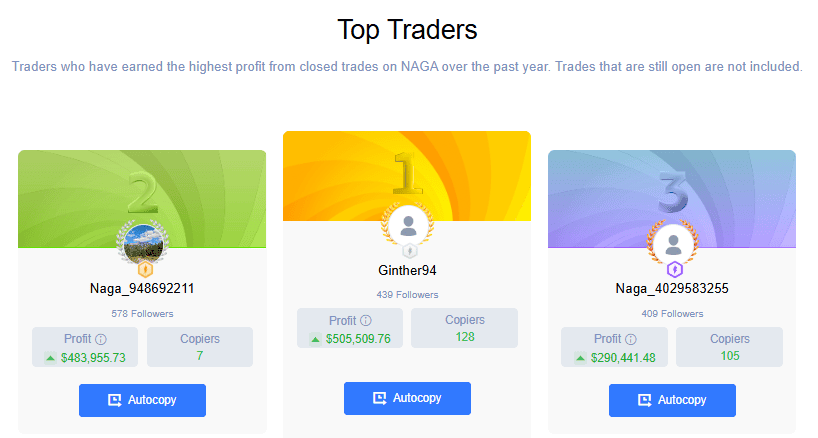
Trading signals vs Copy Trading
While trading signals are recommendations or alerts, such as “buy EUR/USD at 1.0850” or “sell S&P 500 if it breaks support”, copy trading automatically mirrors another trader’s positions in your account, so their trades are replicated for you.
With signals, you decide whether to trade and how much to trade. With copy trading, the system executes the trades automatically based on the trader you follow.
Simple example:
- A signal says: “Buy Tesla now.”
- With copy trading, if the trader you copy buys Tesla, your account buys it too.
In practice:
- Signals give you more control and flexibility.
- Copy trading is more hands-off and easier for beginners.
AI Trading Signals: Are AI Signals Reliable?
AI trading signals use algorithms, data analysis, or machine learning techniques to identify potential market opportunities. They may scan price patterns, volatility, news sentiment, trading indicators, or historical market behaviour.
AI can process large amounts of data faster than a human. This can be useful in fast-moving markets such as forex, crypto, and indices. However, AI trading signals are not automatically better than analyst-led signals. They are only as good as the data, model, and risk rules behind them.
AI trading signals may help with:
- Pattern recognition
- Market scanning
- Technical indicator combinations
- Sentiment analysis
- Multi-asset monitoring
- Alert automation
But AI signals also have limitations. Markets can behave differently during unexpected news events, liquidity shocks, or abnormal volatility. An AI model that worked well in one market environment may fail in another.
The best AI trading signals should still include human-readable explanations, stop-loss levels, take-profit targets, and clear risk notes. Traders should be careful with any provider that promotes AI as a guaranteed profit machine.
Common Trading Signal Strategies
Trading signals can be generated from different trading strategies. Understanding the strategy helps traders decide whether a signal fits their goals.
Technical Analysis Signals
Technical signals are based on chart patterns, price action, and trading indicators. Common examples include moving average crossovers, RSI signals, MACD crossovers, Bollinger Band setups, trendline breaks, and support/resistance levels.
Fundamental Trading Signals
Fundamental signals are based on economic or company-specific information. Forex traders may watch interest rates and inflation. Stock traders may follow earnings reports. Gold traders may monitor yields, central banks, and geopolitical risk. Crypto traders may follow regulation, ETF flows, or network activity.
Sentiment-Based Signals
Sentiment signals look at how traders and investors feel about the market. They may use news sentiment, positioning data, social media trends, or fear-and-greed indicators.
Breakout Signals
Breakout signals occur when the price moves beyond a key level, such as resistance or support. These are popular in forex, crypto, stocks, and gold.
Reversal Signals
Reversal signals attempt to identify when a trend may be weakening. Examples include divergence, candlestick reversals, failed breakouts, and rejection from major levels.
Pros and Cons of Trading Signals
Trading signals can be valuable tools for discovering market opportunities, saving research time and learning how trade ideas are structured. However, they also come with limitations. Before using free or paid trading signals, traders should understand both the potential benefits and the risks, especially when signals are used in leveraged markets such as forex, CFDs, crypto, gold or futures.
Benefits of Trading Signals
Trading signals can help traders save time, discover new opportunities, and learn how analysts structure trade ideas. They may also help beginners understand entries, exits, and risk levels.
Potential benefits include:
- Faster market scanning
- More trading ideas
- Educational value
- Multi-asset coverage
- Reduced research time
- Support for technical analysis
- Better awareness of market opportunities
Risks of Trading Signals
Signals also carry risks. Traders may become dependent on alerts, overtrade, ignore risk management, or follow poor-quality providers.
Potential risks include:
- False signals
- Delayed alerts
- Overreliance
- Subscription costs
- Scams
- Poor risk/reward
- Emotional trading
- Excessive leverage
The safest approach is to combine signals with education, analysis and responsible risk management.
How to Get Signals for Trading
To get trading signals, you need to open an account with a brokerage, such as NAGA. With NAGA, traders can access different types of trading signals and market tools in one place, including NAGA Insights, MT5/MQL5 signals, and Trading Central’s technical analysis features. To get started, follow these steps:
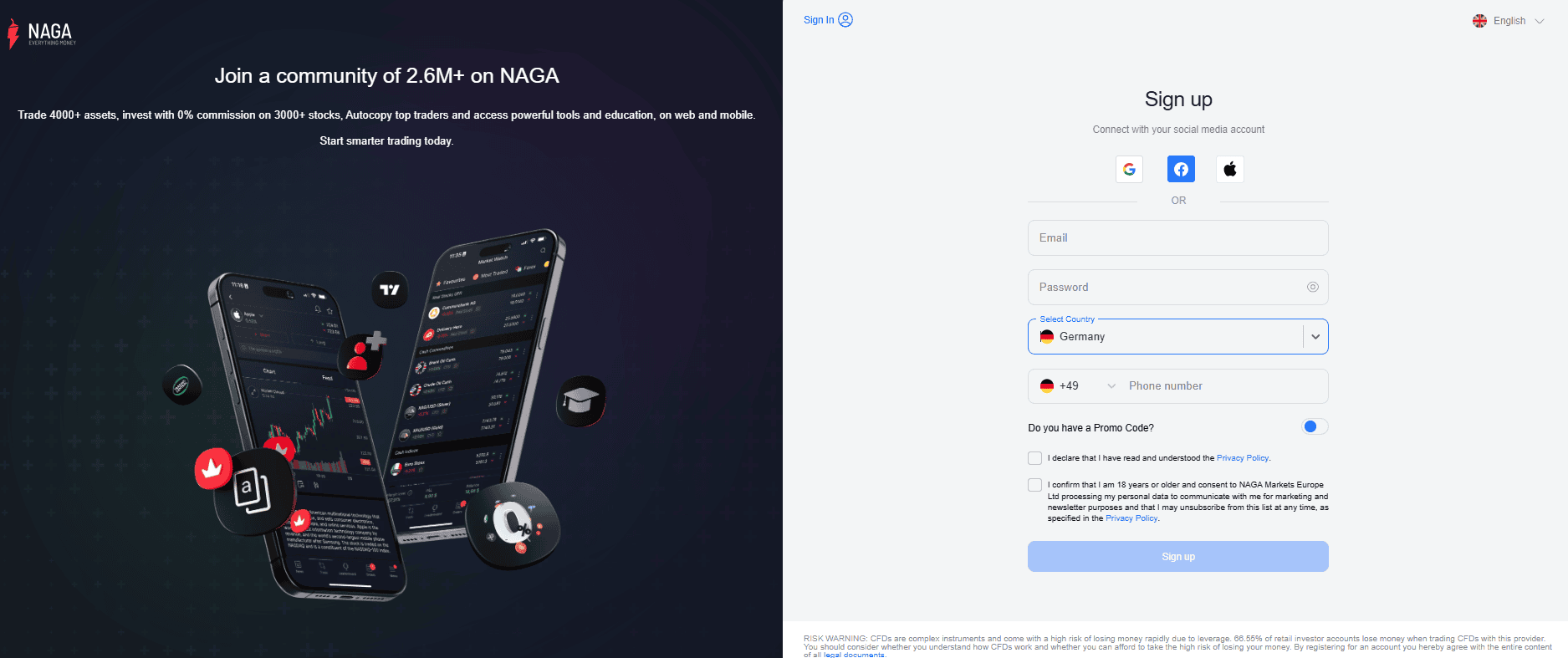
Step 1: Open or Log in to Your NAGA Account
Create a NAGA account or log in to your existing profile. From there, you can access NAGA’s trading platform, available markets, insights, copy trading features, and integrated tools.
Step 2: Choose Your Signal Source
Once inside the platform, choose the type of trading signal or insight you want to use. NAGA gives traders access to multiple options:
- NAGA Insights for market updates, trading ideas and social trading activity
- MT5/MQL5 signals for MetaTrader-based signal copying
- Trading Central tools for technical analysis, key levels and market research
This allows traders to compare different types of signals rather than relying on only one source.
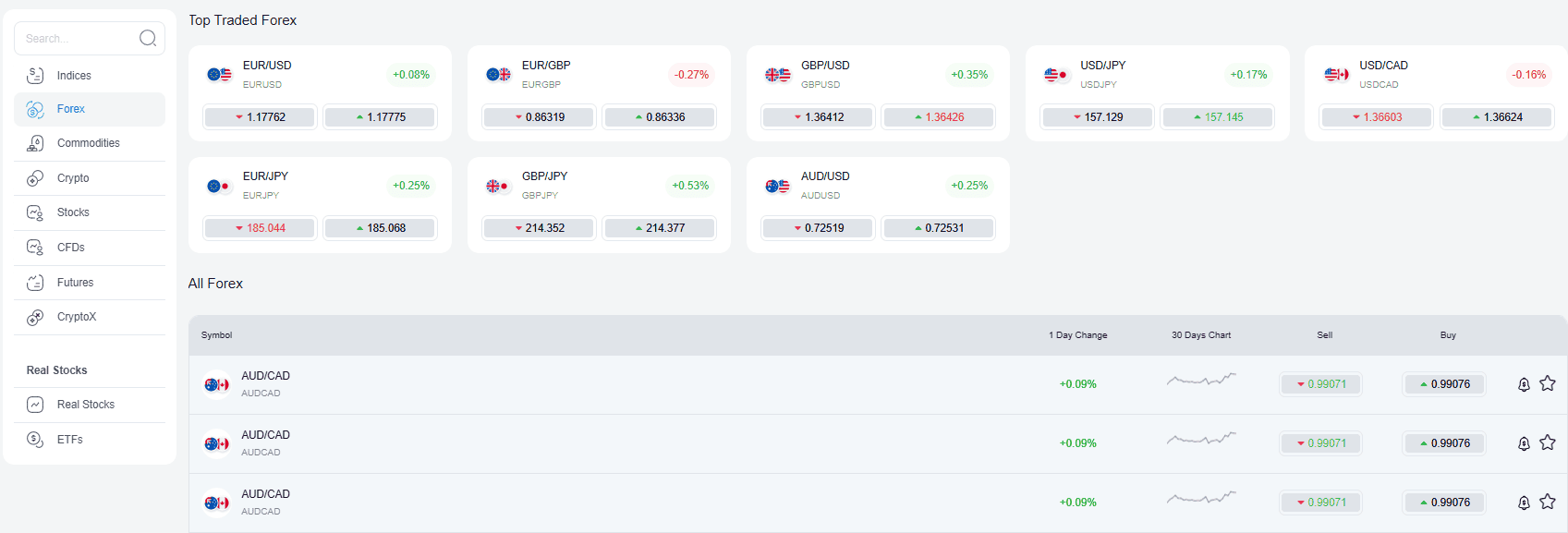
Step 3: Select the Market You Want to Trade
Next, choose the market you are interested in. Trading signals can be used across different asset classes, including forex, crypto, stocks, gold, commodities, indices, futures or CFDs.
For example, forex traders may look for EUR/USD or GBP/USD signals, while commodity traders may focus on gold signals. Crypto traders may prefer Bitcoin or Ethereum signals, and stock traders may look for signals based on earnings, trends or technical breakouts.
Step 4: Compare the Signal with Your Own Analysis
Trading signals should support your decision-making, not replace it. Before placing a trade, compare the signal with your own analysis, market context, and risk tolerance.
You can check technical indicators, support and resistance levels, economic events, market sentiment, or broader trends. If the signal does not fit your strategy, it may be better to skip it.
Step 5: Trade or Copy Only If It Fits Your Strategy
Once you have reviewed the signal, tested the idea and checked the risk, you can decide whether to place the trade manually or copy a trader if the option is available.
Only trade or copy signals that match your strategy, risk tolerance, and account size. No trading signal can guarantee profit, so risk management should always come first.
Conclusion: What Are the Best Trading Signals in 2026?
The best trading signals are not the ones that promise the highest win rate. The best trading signals are clear, transparent, timely, and built around risk management.
A strong signal should include the asset, direction, entry level, stop loss, take profit, timeframe, and explanation. A strong provider should offer transparency, realistic expectations, education, and clear risk warnings.
For beginners, a helpful option may be a platform that combines signals with insights, tools and learning resources For MetaTrader users, MT5/MQL5 signals may be useful. For traders who want independent technical analysis, Trading Central-style insights can add value. For multi-asset traders, NAGA Insights can be a practical starting point because it combines market access, social trading, insights, and educational tools in one ecosystem.
Trading signals can help you make more informed decisions, but they should never replace your own judgment. Test signals, manage risk and start prudently.